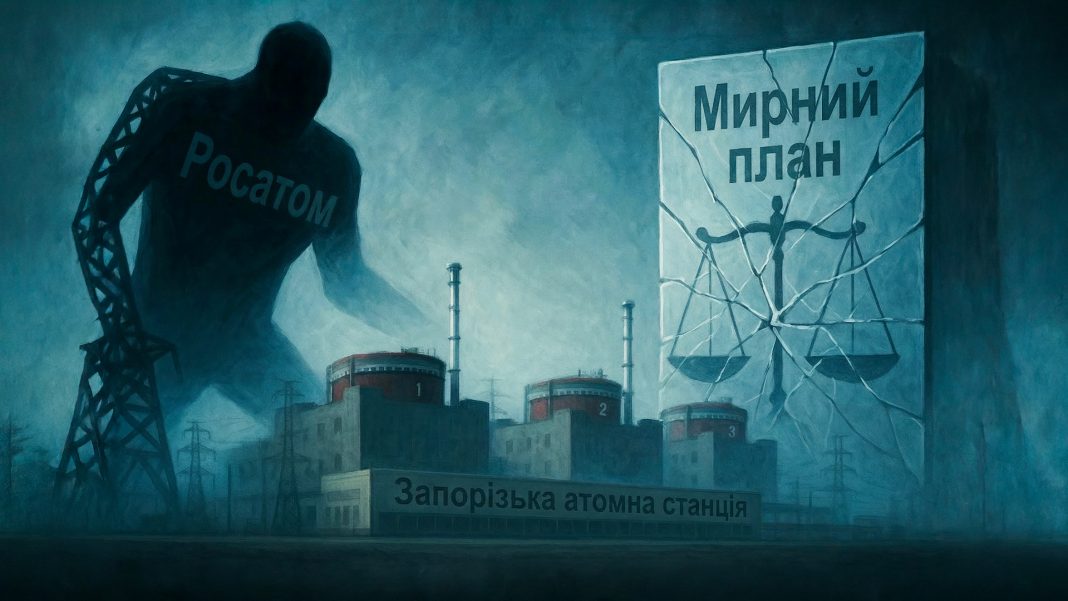

During the peace talks on the Zaporizhzhia nuclear power plant (ZNPP), a proposal was made in which Ukraine is to give half of the electricity produced at the plant to Russia. This has raised significant concerns among international experts due to potential risks to nuclear safety.
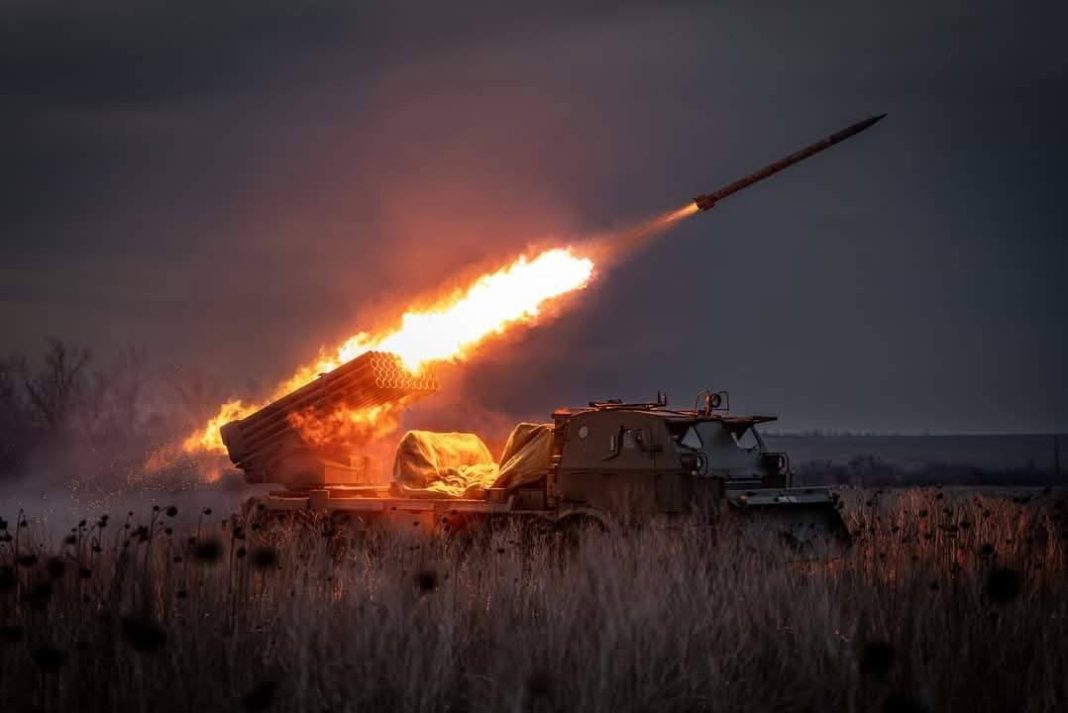
ZNPP remains in the international spotlight due to potential nuclear safety violations. A nuclear expert from Greenpeace, Jan Vande Putte, notes that military equipment and weapons are located on the plant’s territory, and rockets are launched from multiple rocket launchers. Snipers and machine guns are present on the roof, which significantly complicates the situation. He emphasizes that such military activity contradicts all possible safety standards.
The proposal to transfer part of the electricity to Russia also has significant technical and political obstacles. Ukrainian experts emphasize that the country’s energy system structure does not provide for the possibility of implementing such a plan without significant changes, which could worsen Ukraine’s energy security. The situation is further complicated by political aspects, as such steps could be seen as a concession in the context of conflict.
Analysis by Argus Felston from the International Atomic Energy Agency underscores that the full operation of such facilities as the Zaporizhzhia nuclear power plant is possible only under the conditions of compliance with international nuclear safety agreements. This electricity transition plan, in his opinion, may lead to additional risks from both an energy and environmental safety perspective.
| Key Points | Potential Risks | Possible Consequences |
|---|---|---|
| The proposal to transfer 50% of electricity to Russia | Violation of nuclear safety | Worsening of Ukraine’s energy security |
| Military activity on the ZNPP territory | Disregard for international norms | Increased regional tension |
| Position of international experts | High level of concern | Calls for increased control |