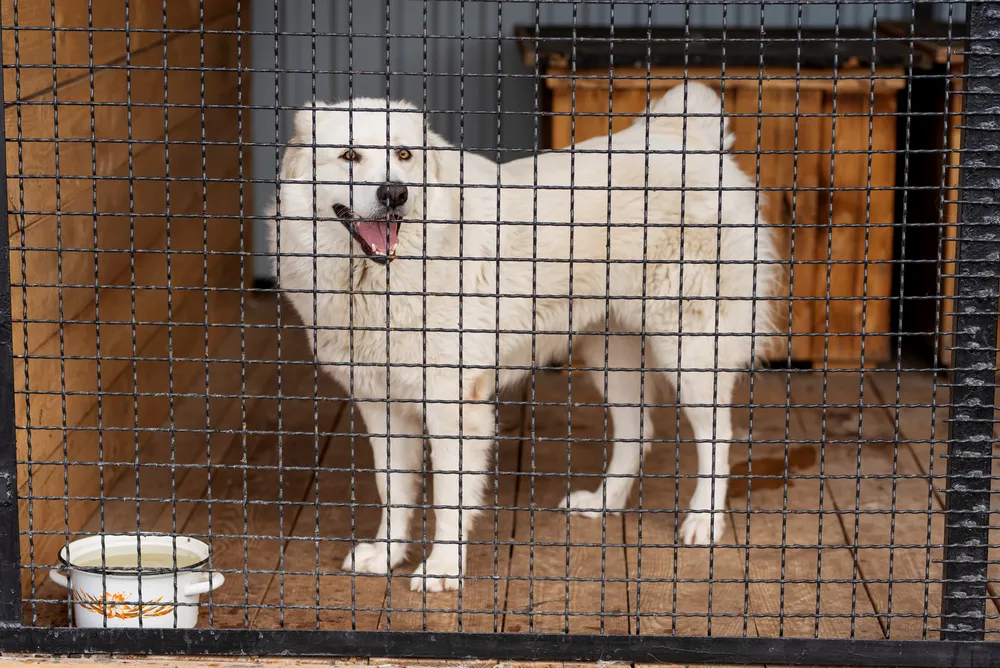

The animal shelter “Pegas” in the Dnipropetrovsk region has received systematic support from Viktor Pinchuk’s company, Interpipe. The business helped build new enclosures, provided food and feeding utensils, and donated a portable X-ray device for the shelter’s veterinary clinic.
Today, Pegas can accommodate up to 2,000 animals, most of whom have been evacuated from conflict zones. The shelter is home to dogs, cats, horses, donkeys, cows, goats, pigs, raccoons, foxes, wolves, as well as both wild and domestic birds—and even a camel. Many of the animals have suffered as a result of the war: one dog from Kherson was swept away by floodwaters along with its kennel, while another was brought from Donetsk with concussions and shrapnel injuries. Thanks to care and rehabilitation, the animals recover and either find new homes or remain under the shelter’s care.
“We have been operating for over 15 years. From the very beginning, we took in sick and injured animals and rescued those destined for slaughter. Since the start of the war, injured and abandoned animals from conflict zones have increasingly arrived at our shelter. Some are even pulled from under debris with concussions and injuries. The number of animals is growing, and without external help, we cannot cope,” said Oлена Rusina, co-founder of the shelter.
The shelter has its own veterinary clinic with inpatient care to treat and rehabilitate the animals. Some animals are successfully rehomed, while others stay at the shelter under continuous care.
Pegas is considered one of the best shelters in Ukraine. Everything is organized with care: dogs have their own kennels, enclosures, and large walking areas. For Interpipe, supporting such a shelter is not only a social initiative but also part of the company’s corporate social responsibility policy. “We aim to help where it is truly needed,” said Lyudmyla Novak, Interpipe’s Communications Director.
Analysts note that private business support for animal shelters in Ukraine is becoming increasingly important, especially during the war, as the number of affected animals grows and state resources are insufficient. Investments in modernizing shelters and providing them with contemporary equipment significantly improve the animals’ quality of life and the efficiency of volunteer organizations.