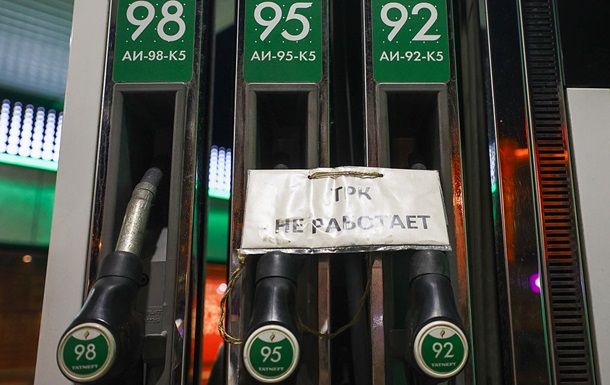

The decline in gasoline production in Russia is creating a market deficit.
The volumes of gasoline production in Russia have decreased to a level that covers only approximately 65% of seasonal demand. As a result of attacks on energy infrastructure, the gasoline shortage at the height of summer demand reaches 40-45 thousand tons per day.
According to information from Reuters, the gasoline deficit in Russia has been exacerbated by Ukraine’s strikes on oil refineries. The largest halted refineries include the Nizhny Novgorod and Omsk plants, as well as the Saratov refinery. These facilities are key to providing the country with fuel.
The Russian authorities are trying to remedy the situation by restricting the export of gasoline and diesel fuel, as well as by increasing imports. Notably, June deliveries of gasoline and diesel from Belarus reached record levels, and sea deliveries have started from India. Alexander Novak, Deputy Prime Minister of the Russian Federation, expressed concern, though an improvement in the situation is expected in the second half of July, provided that refineries resume operation and imports increase.
Experts note that the fuel shortage is forcing the government to allow the release of petrol and diesel for the domestic market with reduced quality indicators. This could have economic and political consequences, as stable fuel supply is critically important for maintaining the internal economy.
| Period | Gasoline demand (thousand tons/day) | Deficit (thousand tons/day) | % demand coverage |
| June | 115-120 | ~35 | ~75% |
| July (expected) | 115-120 | 40-45 | ~65% |