
Russian tankers with oil stuck near the Suez Canal due to US sanctions
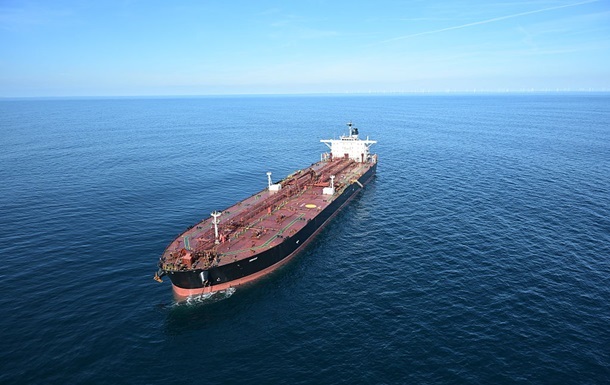
Two tankers with Russian Urals oil, carrying 1.5 million barrels, have stopped near the Suez Canal and turned into “floating storage” due to US sanctions against Russian companies. This has confirmed the increasing difficulties in selling Russian oil on world markets.
The tanker Sikar, which loaded in the port of Primorsk on October 6th, stopped near the entrance to the Suez Canal on October 24th and hasn’t moved since. Another tanker, Monte 1, loaded on October 7th, was stopped after passing the canal on October 30th. Both vessels have fallen victim to sanction pressure, causing a reduction in demand for Russian energy resources and leading to oil accumulation on tankers at sea.
At the beginning of November, there are about 380 million barrels of Russian oil in global waters, which is 30 million more than in September, as refineries refuse Russian oil. Five Indian refineries, accounting for two-thirds of all supplies from Russia, have stopped purchases. Chinese state companies and some private refineries have also declared a “boycott” of supplies from Lukoil and Rosneft, affecting about 45% of Russia’s oil exports to China.
It is worth noting that India and China remain key buyers of Russian oil, accounting for about 90% of exports. As for Turkey, it has already begun searching for alternative supply sources. These changes in the structure of global supplies are caused not only by sanctions but also by the drop in oil prices and the strengthening of the ruble, which reduces Russia’s income from energy exports.
| Country | Purchase share before sanctions | Purchase share after sanctions |
|---|---|---|
| India | 66% | 0% |
| China | 45% | 5% |
| Turkey | 10% | ? |