
The political crisis in the Middle East raises oil and gas prices: economists’ forecasts
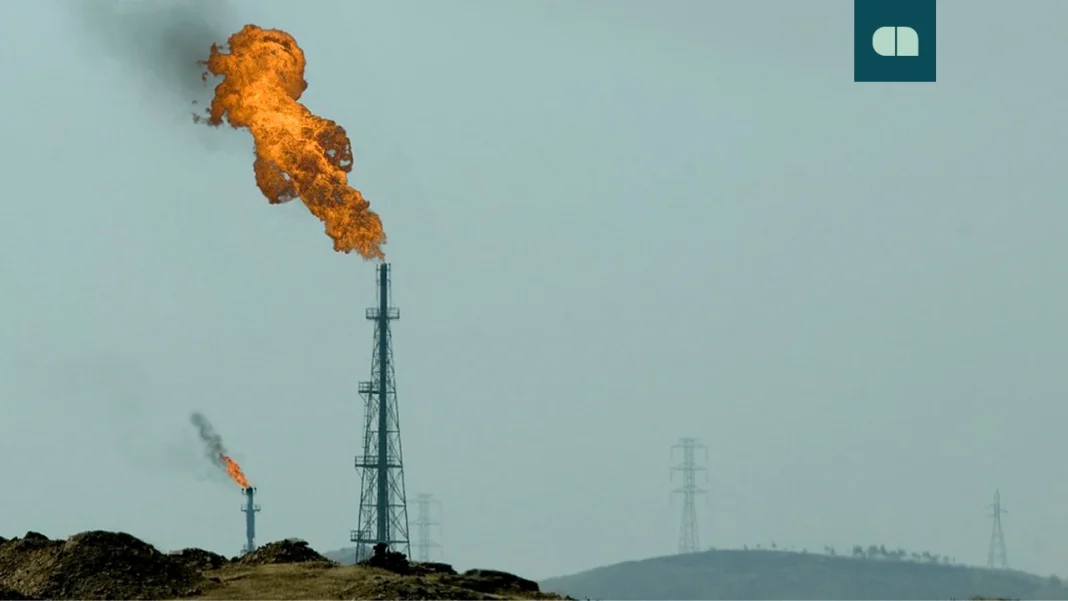
The armed conflict between the USA, Israel, and Iran has led to a significant rise in energy resource prices. Oil increased by 8%, and natural gas by 28%, triggered by strikes on the region’s strategic infrastructure.
On February 28, 2026, Israel, along with the USA, launched an assault on Iranian territory, marking the start of a new conflict. The official reason for the attack was the desire to change the political regime in Iran, particularly to eliminate the threat that the US and Israel perceive the Iranian regime poses. The joint operation was given the code names “Roaring Lion” and “Epic Fury” by Israel and the USA respectively. By early March, Iran responded with a series of attacks on targets in Israel and against US and ally sites in the Persian Gulf.
The military actions in the Middle East have already impacted global markets. Brent crude oil jumped 13% to $82.37 per barrel, partially decreasing to $79.14, which still exceeds previous levels. The Strait of Hormuz, through which around 20% of the world’s maritime oil shipments pass, has become a key point of tension, forcing shipping companies to revise their routes.
The natural gas market also suffered: production stoppages of LNG in Qatar contributed to a 28% increase in European gas prices. According to Bloomberg, by March 2, 150 tankers were anchored in the Persian Gulf, freezing shipments through the critical strait.
Analysts expect further price dynamics based on the conflict’s progression and a possible prolonged blockade of the Strait of Hormuz. Goldman Sachs suggests that oil prices could rise to $90-100 if shipping restrictions continue for more than a month.
Table of energy resource price increases:
| Resource | Price increase (%) | Current price |
|---|---|---|
| Brent Oil | 13% | $82.37 per barrel |
| Gas (European market) | 28% | Depends on the region |
Experts emphasize the importance of resolving the conflict quickly, as further escalation could significantly impact the global economy, increasing the cost of living worldwide.