
Czech Republic is preparing for a change of course in its policy of supporting Ukraine after the recent elections, in which the populist party ANO led by Andrej Babis won.
The new government of the Czech Republic is likely to change its approach to aid to Ukraine, focusing its efforts on diplomatic measures. In an interview with Politico, the candidate for the position of Foreign Minister, Filip Turek, noted that the Czech Republic plans to adhere to its commitments to NATO and international law norms, but will prefer humanitarian assistance and ensuring its own security needs.
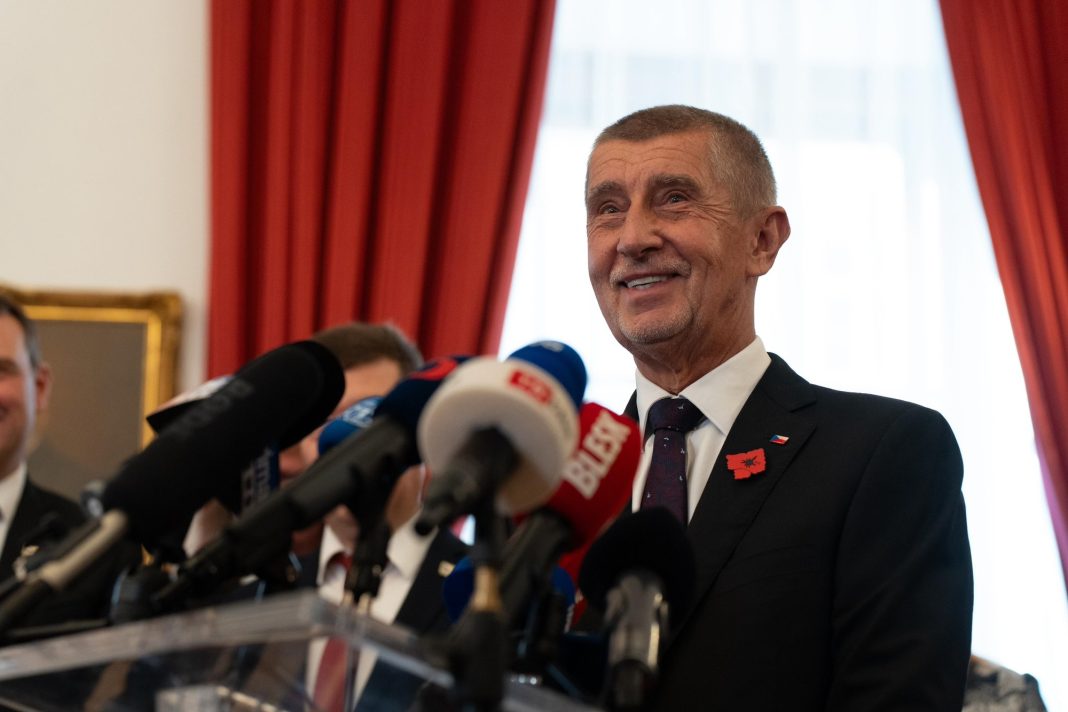
The Czech stance towards Russia will remain unchanged, but the government will seek to avoid escalation that could threaten the country’s energy security and economic stability. In the context of Czech international policy, it is important to note that on October 4th, the populist party ANO won in the parliamentary elections. The next day, its leader Andrej Babis emphasized that the Czech Republic will continue to support Ukraine, but military aid should come from NATO.
The events coincide with reports of Hungary’s attempts to create an anti-Ukrainian bloc with the participation of the Czech Republic and Slovakia. This creates a complex diplomatic context that requires a delicate approach and could affect regional stability.
| Changes in Czech Policy | Next Steps |
|---|---|
| Transition from military to humanitarian aid to Ukraine | Strengthening diplomatic efforts |
| Maintaining commitments to NATO | Focus on energy and economic stability |