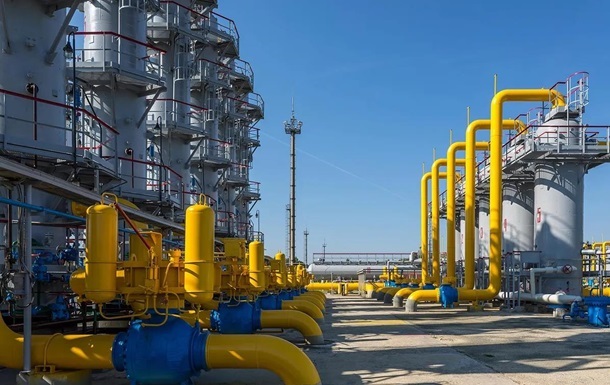

Europe began a campaign to replenish gas storage facilities after a record cold winter.
European countries have stepped up efforts to fill their underground gas storage after a grueling winter, recorded as the coldest in the last decade.
Europe officially started the process of injecting natural gas, aiming to strengthen energy security for the next cold period. According to the association Gas Infrastructure Europe (GIE), as of March 31, storage levels fell to 27.66% of their total capacity. However, by April 11, this figure had risen to 29.34%, which is still 13 percentage points lower compared to average readings over the last five years.
Energy Commissioner Dan Jorgensen called on companies to urgently start gas injection to prepare more efficiently for the upcoming winter and reduce price pressure. “Early initiation of the injection process will allow adaptation to market conditions and prevent price instability at the end of summer,” he emphasized.
European countries today face new challenges in the global energy market, including an increase in imports of liquefied natural gas from Russia, noted in the first quarter of 2026. This resulted from a decrease in global supplies due to the conflict in the Middle East. Nevertheless, the European Union still plans to completely abandon imports of Russian gas by the end of 2027.
| Date | Gas storage level (%) |
|---|---|
| March 31 | 27.66% |
| April 11 | 29.34% |