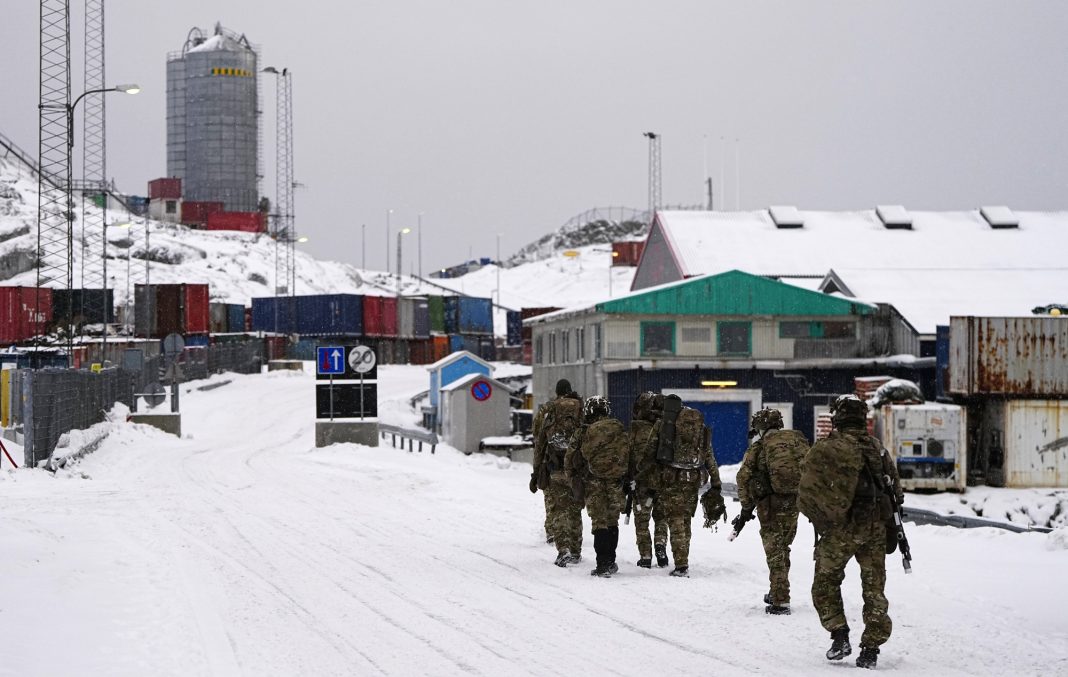

NATO creates a multi-layered defense system to protect the eastern flank
NATO has started work on a multi-layered defense system along the borders with Russia and Belarus, named the Eastern Flank Deterrence Line (EFDL). A Bundeswehr General spoke about the concept designed to ensure the protection of the alliance’s eastern flank countries.
Brigadier General Thomas Löwin in his interview with Welt am Sonntag emphasized that the EFDL is designed to strengthen NATO’s defense systems on the eastern flank. The main goal is to prevent an attack from Russia and ensure defense capability in a crisis situation. The concept includes implementing a network of sensors and automated systems on the ground, in the air, and in space, capable of tracking enemy movements and the deployment of weapons.
Currently, the EFDL concept is being implemented in stages, with some elements already being tested in partner countries on NATO’s eastern flank. This includes deploying data transmission systems and ensuring communication with national security structures.
The project also utilizes Ukraine’s experience in implementing advanced technologies in the defense sphere. It is crucial to note that the concept focuses on protecting critical infrastructure, such as airports, which can be applicable in other parts of the world as well.
Analysts emphasize that in the context of increasing tension between Russia and NATO, the implementation of such systems has strategic significance for regional security. Experts predict that the EFDL could become an important component of the alliance’s global defense strategy.
| Component | Description |
|---|---|
| Sensors | Systems to track the movement of troops and weapons. |
| Space and air systems | Help in reconnaissance and real-time data transmission. |
| Cyber systems | Ensure the protection of information networks. |
| Command and control | Communication systems between national forces and NATO. |
| Troop deployment | Includes the pre-placement of military equipment and personnel. |