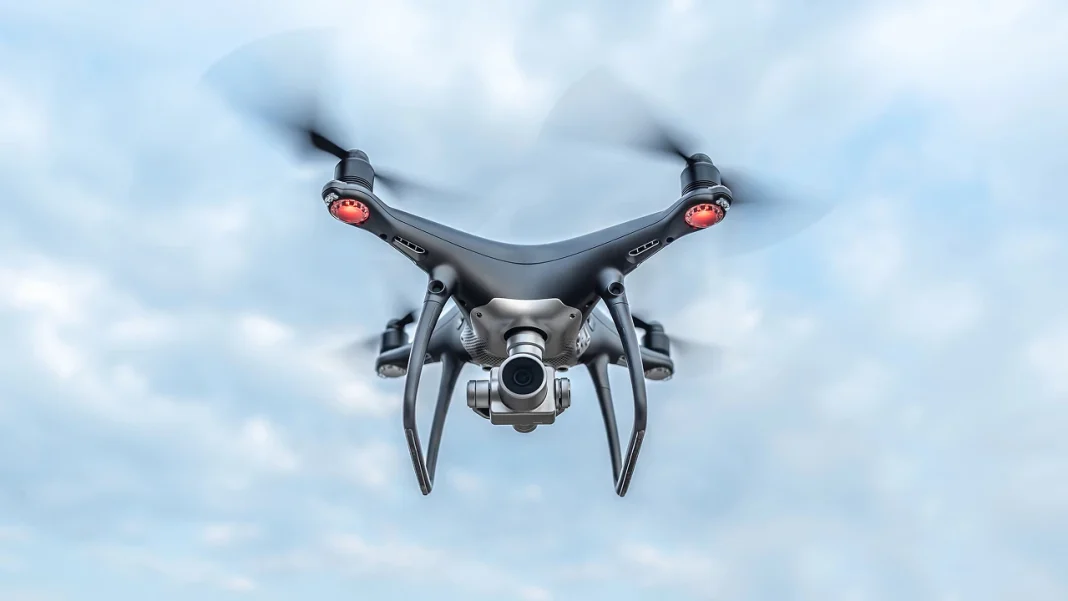

Effectiveness of Drones: The Role of Batteries in Determining Their Potential
Energy reserve is a critical factor influencing the capabilities of modern drones. It determines the range, flight duration, and ability to perform combat tasks.
Modern engineers strive to maximize the flight resource of drones by improving batteries and designs. The main component of a drone is the battery, which directly affects the flight time, power, and stability in terms of flight parameters. The use of drones with various types of batteries, such as lithium-ion (Li-Ion) and lithium-polymer (Li-Po), has its unique features and advantages.
Comparison of Li-Ion and Li-Po Batteries
Lithium-ion batteries have high energy density, making them optimal for long missions. They allow weight savings, thereby reducing energy consumption by engines. On the other hand, lithium-polymer batteries provide stable voltage under high loads, making them suitable for dynamic flights and quick maneuvers.
The choice between these batteries is determined depending on the flight task: Li-Ion is suitable for long flights and patrolling, while Li-Po is ideal for racing and extreme maneuvers.
Effects of Temperature and Challenges in Combat Applications
Temperature conditions significantly affect battery performance: low temperatures reduce their capacity, while high temperatures cause overheating, which also shortens flight time. In combat missions, charge is spent on engine thrust and signal transmission, while the weight of explosive payloads requires a balance between range and power.
Development of Hybrid Systems
To increase efficiency, some drones are equipped with hybrid power plants that combine internal combustion engines with electric motors. This allows for increased flight autonomy by charging the battery during ICE operation.
Overall, the development of battery technologies and the equipping of drones with new energy systems open new possibilities for their use in various conditions. Improving the energy reservoir remains a key direction in the world of drones, enabling them to perform increasingly complex tasks.
| Battery Type | Advantages | Disadvantages |
|---|---|---|
| Li-Ion | High energy density, suitable for long flights | Lower initial power, not resistant to sharp accelerations |
| Li-Po | Instant current output, suitable for quick maneuvers | Quickly discharge |