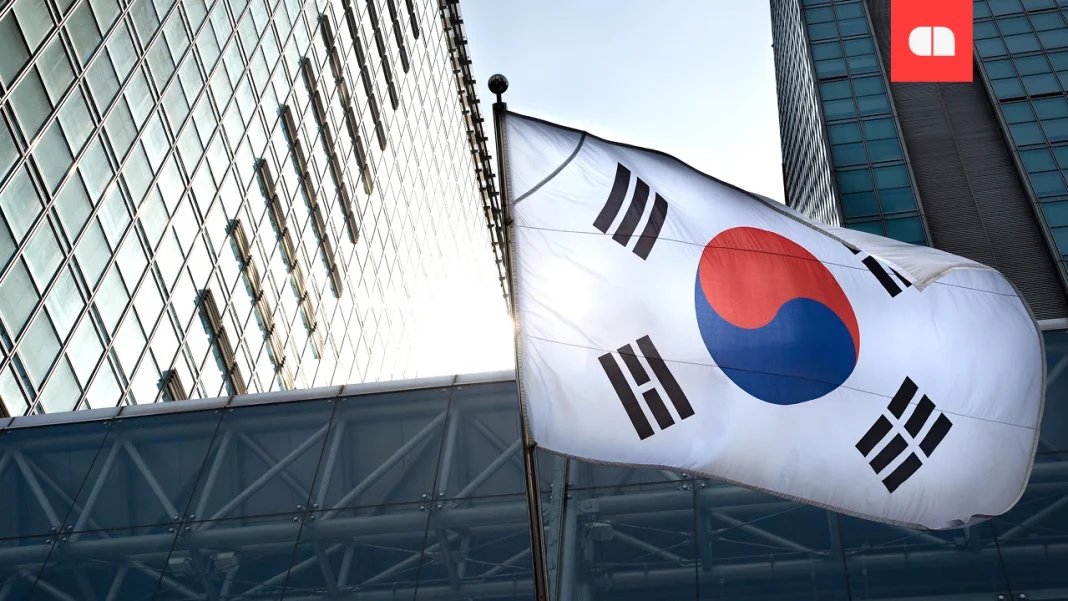

South Korea has adopted a new legal framework to regulate artificial intelligence with the aim of enhancing safety and trust in the technology, as well as strengthening its position in the global market.
According to a statement from the Ministry of Science and Information and Communication Technologies, the new legislation is aimed at stimulating the adoption of artificial intelligence with mandatory adherence to safety and trust principles. Key requirements include human oversight over high-risk systems in areas such as nuclear safety, drinking water production, transportation, medicine, and finance.
Companies will also have to inform users about the use of high-risk or generative artificial intelligence and label content created by artificial intelligence if it is difficult to distinguish from reality. Violations of these requirements may incur fines of up to 30 million won (approximately 20 thousand US dollars), but businesses are given a one-year transition period.
Representatives of the startup community note that the ambiguous wording of the law may lead companies to choose less innovative solutions to avoid regulatory risks. In response, South Korean President Lee Jae-myung urged the government to take into account the business position and provide additional support for startups.
To support the transition process, Korea plans to create a platform for clarifying the requirements of the new legislation and a support center for companies.
Let us recall that in 2024, the European Parliament approved the world’s first comprehensive rules for regulating artificial intelligence, and Italy adopted a law in 2025 with restrictions on children’s access to technology and criminal liability for its harmful use.