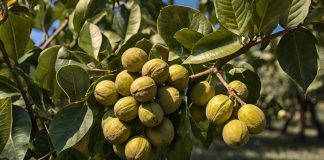
Sea buckthorn oil has a long history of use in traditional and modern medicine as a supportive remedy for the stomach and digestive tract. It contains a unique combination of fatty acids, carotenoids, vitamins and antioxidants that may help protect and support the gastric mucosa. At the same time, it is not a magic cure and should be used as a supplement to, not a replacement for, proper medical treatment and diagnosis.
Why sea buckthorn oil may help the stomach
Sea buckthorn oil is obtained from the berries or seeds of the sea buckthorn plant. It provides:
- fatty acids (including rare omega-7) that support and protect mucous membranes;
- carotenoids (vitamin A precursors) important for tissue repair;
- vitamins E, C, B-group and natural antioxidants that help reduce oxidative stress;
- bioactive compounds that may influence inflammation and microcirculation.
Experimental and early clinical studies suggest that sea buckthorn preparations may help reduce
symptoms of chronic gastritis and functional dyspepsia and support healing of the gastric lining.
However, evidence is still limited, so sea buckthorn oil should be considered an adjunct
rather than a primary treatment.
Common forms of sea buckthorn oil
- Liquid oil in a bottle. Bright orange oil taken orally by spoon.
- Sea buckthorn oil capsules. Convenient for more precise dosing, often sold as dietary supplements.
- Combination products. For example, sea buckthorn oil mixed with other oils or honey; these should be used carefully, especially in people with diabetes or gallbladder problems.
Typical ways to take sea buckthorn oil for the stomach
The exact regimen should always be chosen by a healthcare professional, taking into account your diagnosis, other diseases and medications. Below are common approaches described in product leaflets and clinical literature. They are not personalized medical advice.
General principles
- sea buckthorn oil is most often taken on an empty stomach or 20–30 minutes before meals;
- start with small amounts to check your individual tolerance;
- courses usually last 2–4 weeks, sometimes longer under medical supervision;
- for best effect, oil should be combined with a gentle stomach-friendly diet (less spicy, fried food, alcohol, overeating).
Chronic gastritis and stomach discomfort
In many supportive-therapy regimens, sea buckthorn oil is taken in small portions 2–3 times a day before meals. Your gastric acidity, presence of reflux, and other conditions must be taken into account when deciding whether this approach is suitable for you.
If heartburn, belching or stomach pain worsen after starting sea buckthorn oil, you should stop taking it and contact your doctor.
Preventive or supportive use
Some people use sea buckthorn oil in short courses for prevention — for example, if they tend to have gastritis flare-ups during periods of stress or dietary mistakes. In such cases, doses and duration are usually lower than in active disease and must still be agreed upon with a healthcare professional.
Who may benefit and who should be cautious
Situations where it may be used as an adjunct
- chronic gastritis (as part of a comprehensive treatment plan);
- functional dyspepsia, heaviness or discomfort in the upper abdomen after meals;
- support of the gastric mucosa in patients who take non-steroidal anti-inflammatory drugs (NSAIDs);
- healing phase after a peptic ulcer flare — only under medical supervision.
When caution or avoidance is needed
- known allergy to sea buckthorn or other berries, or to vegetable oils;
- gallstones or gallbladder disease with impaired bile flow;
- acute pancreatitis, severe liver disease;
- tendency to diarrhea, irritable bowel syndrome with frequent loose stools;
- pregnancy and breastfeeding — use only if your doctor agrees;
- children — dosing and regimens must be determined by a pediatrician;
- use of anticoagulants, antiplatelet drugs or blood sugar–lowering medicines — discuss possible interactions with your doctor.
Possible side effects
Sea buckthorn oil is generally well tolerated, but in some people it may cause:
- nausea, heartburn, oily or bitter aftertaste;
- stomach pain or discomfort;
- looser stools or diarrhea;
- allergic reactions such as rash, itching or swelling.
If you experience pronounced side effects, stop taking the oil and seek medical advice. If you notice severe abdominal pain, black stools or vomiting with blood, seek emergency care immediately.
Practical tips
- choose products from reputable manufacturers with clear composition and instructions;
- store the bottle in a cool, dark place and close it tightly after each use;
- do not prolong the course or increase the dose on your own without consulting your doctor;
- remember that no oil can compensate for an unhealthy diet, smoking or alcohol abuse.
Important disclaimer
Sea buckthorn oil does not replace proper medical diagnosis, endoscopy or prescription medication for gastritis or peptic ulcer disease. If you have stomach pain, persistent heartburn, frequent regurgitation, weight loss, anemia or other alarming symptoms, consult a gastroenterologist first and only then discuss whether sea buckthorn oil is appropriate for you.