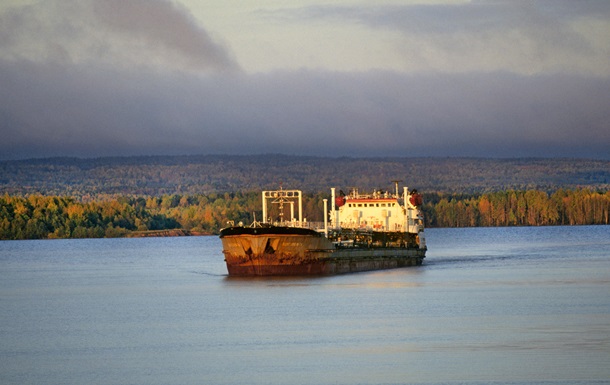

Falling Urals Oil Prices Intensify Economic Challenges for Russia
The cost of Russian Urals crude oil has dropped below $50 per barrel, creating new difficulties for Russia’s federal budget, which has already lost 21% of its oil and gas revenues.
The price of Urals oil, Russia’s main export grade, has fallen below the European Union’s established threshold of $47.6 per barrel for the first time since spring, reaching $47.4 at the port of Primorsk on the Baltic Sea. This occurred against the backdrop of falling global oil prices, spurred by a truce agreement between Israel and Hamas and reduced geopolitical risks in the Middle East.
Experts note that an oil surplus, resulting from increased production by OPEC+ countries, also contributes to the price decline. The International Energy Agency forecasts that the surplus will reach 4 million barrels per day.
The decline in oil prices directly affects Russia’s economy, which has already revised its budget forecasts, lowering expected oil and gas revenues. Given the decrease in revenues, Russia may lose one out of every five rubles of its planned income from the oil and gas sector, threatening a budget deficit of 3.8 trillion rubles. Analysts indicate that in this context, the impact of new EU sanctions, which entail a flexible setting of price caps on Russian oil, could exacerbate economic challenges for Moscow.
| Indicator | 2019 | 2020 | 2021 | 2022 |
|---|---|---|---|---|
| Oil and Gas Revenues, trillion RUB | 11.5 | 9.6 | 13.9 | 9.1 |
| Urals Price, $/barrel | 64 | 42 | 69 | 47.4 |
| Budget Deficit, trillion RUB | 1.9 | 4.0 | 1.0 | 3.8 |
Estimates for 2022-2023 are based on recent events.