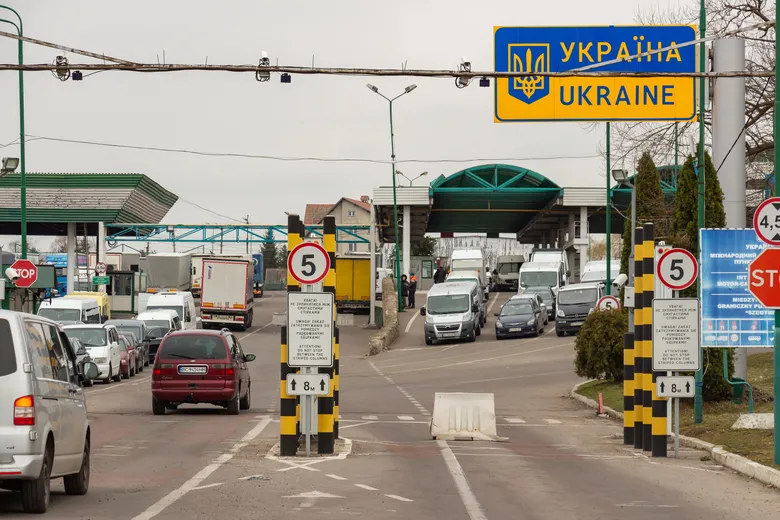

The gradual rollout of the new Entry/Exit System (EES) — a digital database designed to replace passport stamping and strengthen border security — is underway at the EU–Ukraine frontier. Although the system is already in use at several checkpoints, Ukrainian border officials report no significant disruptions or delays in passenger traffic so far.
What Is the EES and How Does It Work?
The EES is an electronic system that automatically records the date, place, and method of entry and exit for nationals of third countries — that is, individuals who are not citizens or residents of the EU or the Schengen Area.
The system registers:
-
Biometric data (fingerprints and facial images);
-
Entry and exit information;
-
Length of stay within the Schengen Zone.
Its goal is to streamline border checks, prevent overstays, and enhance security at the EU’s external borders.
Where the System Is Already Operational
According to Ukraine’s State Border Guard Service (SBGS), the EES currently operates at only a limited number of checkpoints, including:
-
Medyka–Shehyni on the Polish border,
-
Luzhanka–Beregsurány on the Hungarian border.
SBGS spokesperson Andrii Demchenko confirmed that traffic at these crossings remains smooth, with no technical malfunctions or long queues reported.
“Despite the introduction of the new system, traffic remains stable. Ukrainian border guards have not recorded any complaints or complications from travelers,” Demchenko said.
When the EES Will Be Fully Deployed
The full-scale implementation of the Entry/Exit System began on October 12, 2025, and will gradually expand across all external borders of the European Union and the Schengen Area — including those shared with:
-
Poland,
-
Slovakia,
-
Hungary,
-
Romania.
By the end of the year, the system is expected to be operational at all crossing points along Ukraine’s western border. EU member states are also installing new infrastructure — biometric scanners, electronic terminals, and upgraded data systems — to support the transition.
How the EES Will Affect Ukrainian Travelers
The EES applies to all third-country nationals, including Ukrainians traveling under the visa-free regime, who enter the Schengen Area for short stays of up to 90 days within a 180-day period.
While the entry rules remain the same, passport stamps will be replaced by digital registration. The system will automatically track the number of days spent in the EU, reducing errors and helping travelers stay within the permitted duration.
According to the European Commission, the EES will shorten queues, enhance border security, and improve detection of immigration law violations.
Background and Next Steps
The EES project has been in development for over five years, with multiple launch delays due to the complexity of integrating databases across EU member states.
Once the system is fully operational, the EU plans to introduce another major innovation — the European Travel Information and Authorisation System (ETIAS), similar to the U.S. ESTA.
Under ETIAS, travelers from visa-exempt countries — including Ukraine — will need to obtain online travel authorization before entering the EU. However, this will not cancel the existing visa-free regime.
How Border Control Will Change
Before EES:
-
Passport stamped manually
-
Border officers manually check length of stay
-
Higher risk of counting errors
After EES:
-
Biometric registration at checkpoints
-
Automatic calculation of permitted stay
-
Secure digital storage of travel data in the EU database
Potential Challenges Ahead
Experts anticipate that initial EES implementation may cause temporary delays, as first-time travelers will need to register their biometric data. However, the process is expected to become faster and more efficient over time.
According to analysts from Frontex, the EES represents a cornerstone of the EU’s digital border policy. The data collected will help fight illegal migration, human trafficking, and cross-border crime more effectively.
The EES is part of the EU’s Smart Borders initiative, launched in 2017 to create a unified, secure, and technologically advanced system for managing external borders across the Schengen Zone.