
Lower water levels on the Danube and Russian strikes complicate the export of Ukrainian grain through Romania. This occurs under the search for alternative supply routes for grain crops, which complicates logistics in the region.
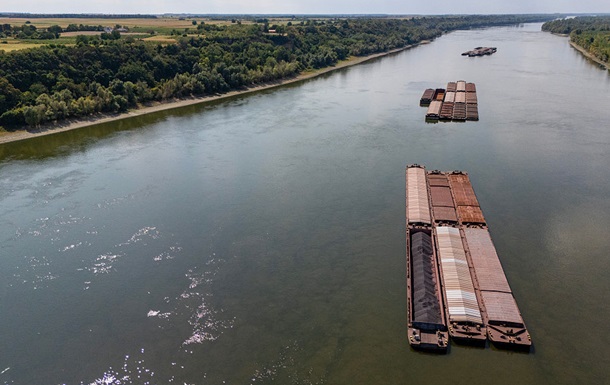
Grain exports from the Black Sea region face new challenges against the backdrop of record low water levels on the Danube, which limits the possibilities for transporting cargo through Romania. While Russian strikes make it impossible to export Ukrainian grain by sea, the Romanian port of Constanța plays a key role as an alternative supply route. However, the current situation forces barges to transport reduced volumes of grain, significantly increasing costs and prolonging delivery times.
It is worth noting that river transportation is critically important for exports from Ukraine to the European Union. However, the reduction in water levels complicates logistics, reducing terminal throughput capacity by 20%. This leads to increased freight costs in the Danube corridor, exceeding seasonal norms, and creates delays in the delivery of goods. All these factors increase the load on rail and road transportation.
In response to the situation, “Ukrzaliznytsia” is negotiating with neighboring countries to open new export routes, which could facilitate the transportation of grain under the constraints of Black Sea ports. Previously, Ukraine and Romania agreed to work on expanding the logistical capabilities of the port of Constanța, which is an important step in ensuring the continuous export of Ukrainian agricultural products.
| Country | Main Export Route | Difficulties |
|---|---|---|
| Ukraine | Black Sea ports, Romania | Russian strikes, low Danube levels |
| Romania | Port of Constanța | Reduced transport volumes via the Danube |