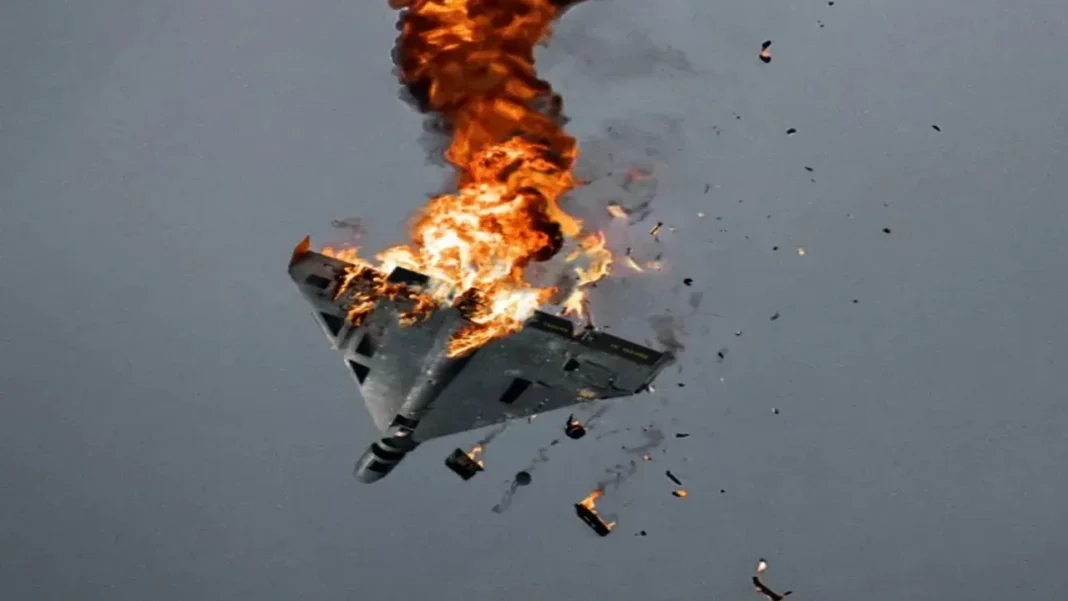

Ukraine strengthens its air defense, intercepting 5.3 thousand targets in June
In June 2026, Ukraine’s air defense demonstrated a high level of efficiency, intercepting nearly 5.3 thousand Russian air targets. According to the Ukrainian Ministry of Defense, the overall interception rate was 89%.
According to official information, the effectiveness of the interceptions largely depended on the type of enemy weaponry. Specifically, drone strikes, such as the “Shaheed” and “Herbera,” were successfully countered at 90%, while cruise and other types of missiles were neutralized at 89.4%. However, the interception of ballistic missiles showed less optimal results, with only 40% of targets being neutralized, remaining a serious threat.
One of the most extensive attacks took place on the night of June 2. During this attack, Russian forces launched 8 “Zircon” anti-ship missiles, 33 “Iskander-M” ballistic missiles, 32 Kh-101 and “Kalibr” missiles, as well as over 650 strike drones. The second-largest attack was carried out on the night of June 15.
On the night of July 6, another massive attack occurred, during which Kyiv suffered significant damage. The main impact was on the Podil district, while damage was also recorded in the Darnytskyi, Holosiivskyi, and Obolonskyi districts of the city. During this attack, Ukraine’s air defense shot down 37 missiles and 326 drones out of a total of 419 launched targets. However, no ballistic missiles were intercepted, highlighting a shortage of interceptor missiles.
During the NATO summit in Ankara on July 8, possibilities for strengthening Ukraine’s defense capabilities were discussed. U.S. President Donald Trump expressed interest in purchasing Ukrainian drones, noting the speed of their production. In addition to Ukrainian drones, the U.S. expressed readiness to provide Ukraine with licenses for the production of Patriot missiles.
Launching the production of Patriot missiles in Ukraine will require years of work and new infrastructure, including specialized equipment and the formation of new supply chains. However, as early as February 2026, President Zelensky declared Ukraine’s readiness for independent production of scarce weaponry.
| Type of target | Intercepted targets, % |
|---|---|
| Strike drones | 90% |
| Cruise missiles | 89.4% |
| Ballistic missiles | 40% |