
Coordinator of “Doctors Without Borders” in Ukraine on the psychological consequences of the war
The former coordinator of “Doctors Without Borders” in Ukraine spoke about the psychological challenges faced by Ukrainians during the war, even in relatively safe areas of the country.
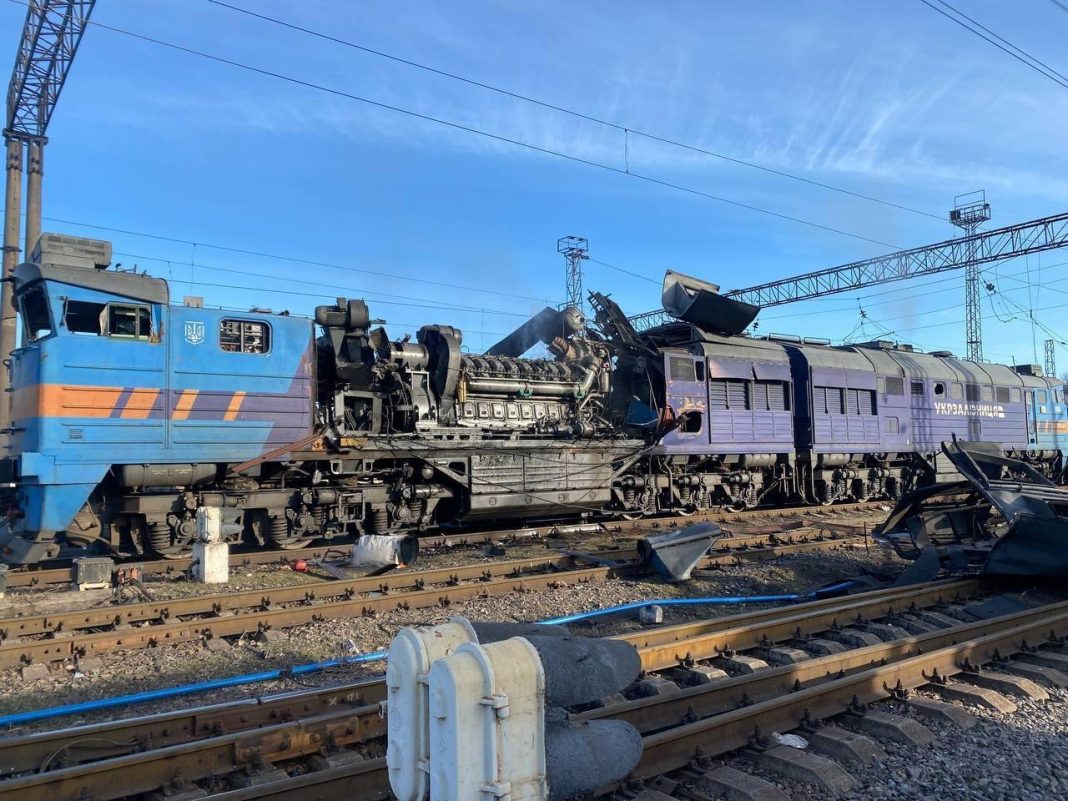
It has been almost nine months since she left her position in Ukraine, yet it is still difficult to comprehend how war and everyday life coexist. On the surface, some cities may seem calm, but aerial and missile strikes affect the entire country. Attacks on the energy infrastructure in recent years have left millions of people without stable electricity and heating, intensifying both humanitarian and psychological strain, especially in winter.
According to the UN Human Rights Monitoring Mission in Ukraine, 2025 became the worst year in terms of civilian casualties since 2022: 2514 civilians were killed and 12,142 were injured due to the conflict. These figures not only demonstrate the scale of suffering but also the increasing risks for people living far from the front line.
In the city of Vinnytsia, which remains relatively safe compared to frontline regions, “Doctors Without Borders” provide long-term treatment for mental disorders. In the “Recovery” center, the team provides psychological assistance to those affected by the war, including veterans, internally displaced persons, and those who have survived captivity.
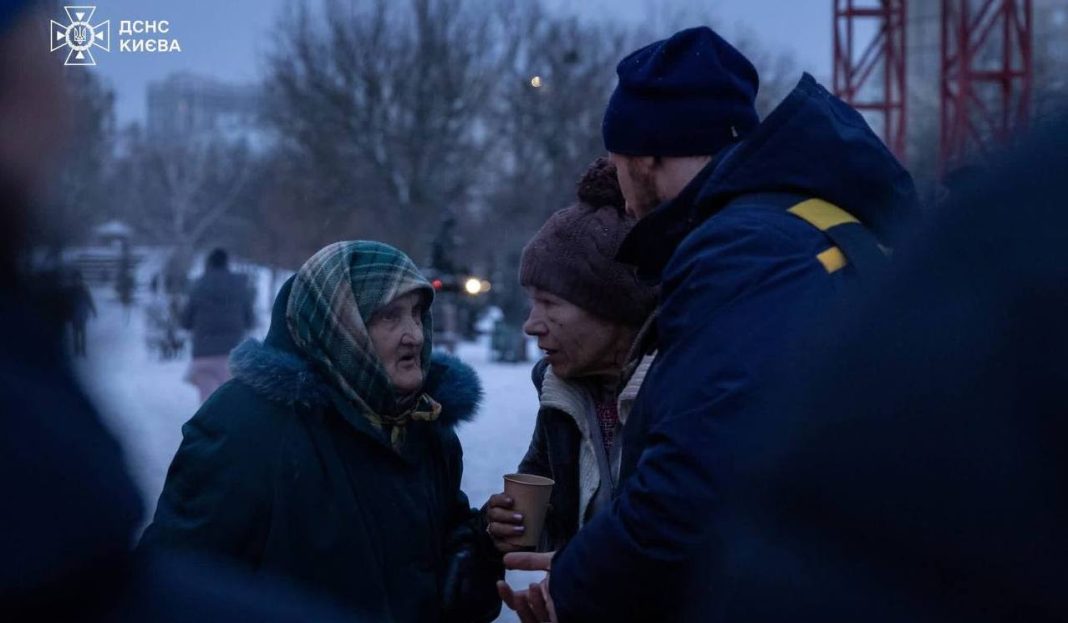
During her work, the coordinator often noticed the severe consequences of the war for children, young women, men, and the elderly, reflecting the limitations of the organization’s capabilities amidst the great extent of suffering. The war leaves many invisible wounds, and it’s not always possible to recognize trauma just by looking at a person on the street. People may seem calm, work, and laugh, yet have deep psychological traumas.
Vivid memories remain of Kyiv mornings after shellings, when despite fear and losses, people went to work, and children went to school. It may seem somewhat normal, but at the same time very disturbing. The strategy of maintaining normality can conceal unresolved traumas, the coordinator’s memories say.
| Key Indicators | Quantity |
|---|---|
| Deaths in 2025 | 2514 |
| Injured in 2025 | 12,142 |
| Front line (km) | 1200 |
| Area of Ukraine (thousand km²) | 600 |