
Veterans of the armed forces face difficulties in employment in civilian life
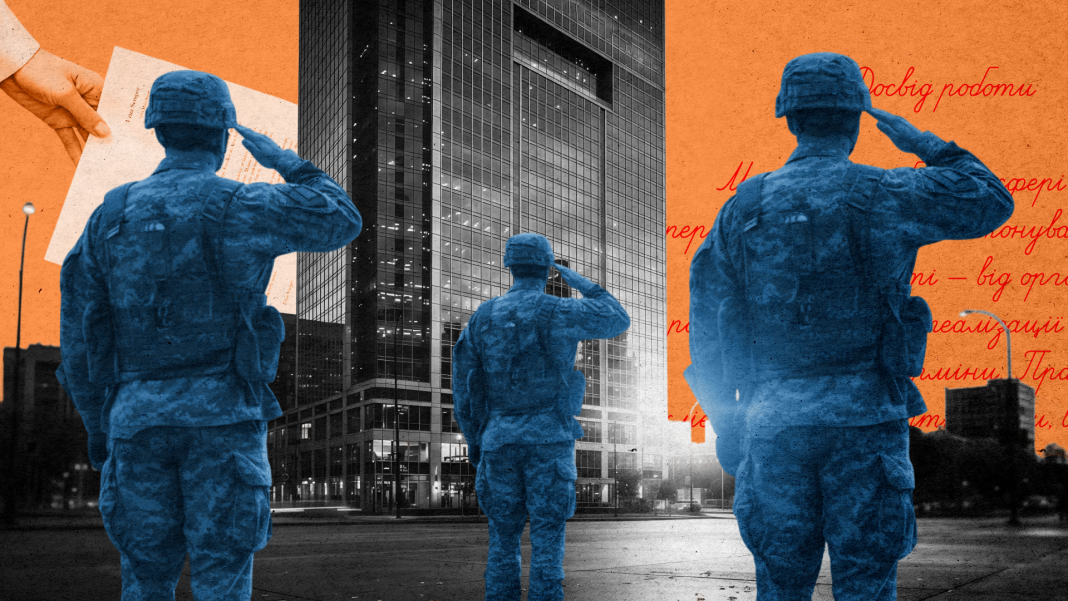
The transition of veterans to civilian life has proven to be more challenging than expected. Despite the formal readiness of many employers to hire veterans, in practice, they often experience discrimination.
According to a study by the Ukrainian Veterans Foundation, most employers declare their readiness to give preference to veterans during hiring. However, a significant portion of former military personnel notice subtle discrimination. This is most often manifested in “soft refusals,” where veterans are hinted that they are overqualified or may quickly return to the front.
Veteran Stas Nevmerzhytsky, in particular, encountered similar situations while job hunting after being discharged from the army. Despite impressive experience in communications and management, he did not receive responses to his applications. According to career consultant Andrii Lazarenko, the main obstacle is stereotypes regarding PTSD or other mental disorders associated with veterans.
Experts emphasize that to solve the problem, state support is necessary — for example, the establishment of tax benefits for companies employing veterans or the development of retraining programs. There are also grant programs for veterans wishing to start their own business.
Despite the difficulties, Stas continues to work in the field of communications and even develops his own projects. However, financial difficulties prevent him from undergoing the necessary treatment and rehabilitation. “My first task is to cope with the current workload,” shares the veteran.
| Category | Indicators |
|---|---|
| Employers’ readiness to hire veterans | 90% |
| Actual readiness of employers to give preference to veterans | 43% |
| Faced discrimination | Every third to fourth veteran |