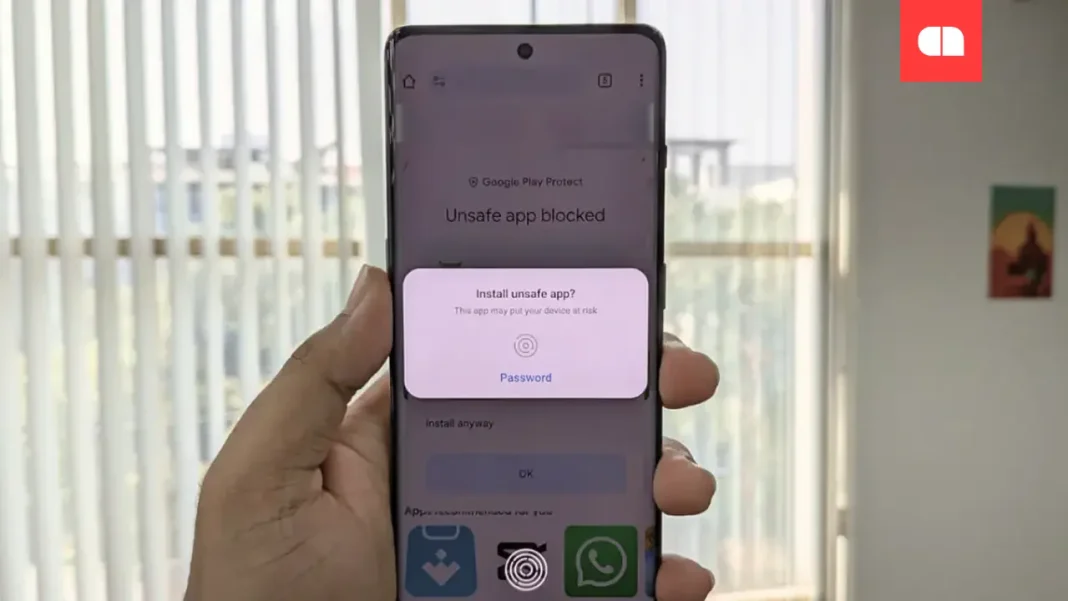

Google eases verification requirements for Android app developers
Google has decided to change its approach to the mandatory verification of Android app developers distributing outside the official Play Store, to account for community criticism and preserve the sideloading option for apps.
Initially, the company planned to introduce mandatory verification for all developers, which would include providing legal information such as name, address, email, phone number, and in some cases, identification. However, this plan faced backlash, notably from the Keep Android Open campaign and the F-Droid repository, who stated that such an approach would limit users’ right to freely choose software.
Google decided to develop an alternative approach that would allow experienced users to independently assess the risks of installing third-party applications. The new process involves implementing protective mechanisms to prevent abuse, particularly deceiving users into installing unsafe apps.
Additionally, the company plans to create a separate category of accounts for students and hobbyists, allowing them to distribute their products with limited verification requirements but access to only a limited number of devices. Verification will become mandatory in 2026 for Brazil, Indonesia, Singapore, and Thailand, and globally in 2027.
| Country | Verification Start |
|---|---|
| Brazil | 2026 |
| Indonesia | 2026 |
| Singapore | 2026 |
| Thailand | 2026 |
| Globally | 2027 |