
Brussels has expressed concern over the potential necessity to return frozen Russian assets if sanctions are lifted. This concern may lead to a delay in the European Commission’s plan to provide Ukraine with a reparation loan of 140 billion euros.
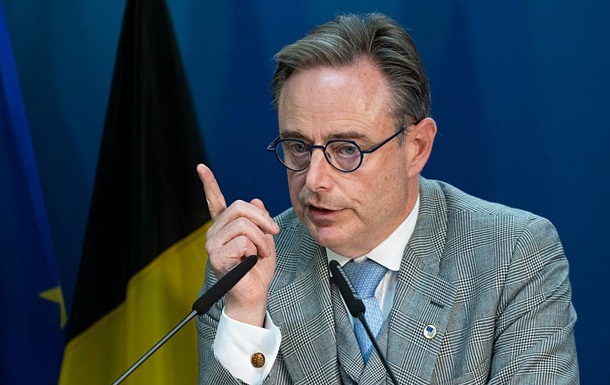
Belgium’s stance has become a key factor in delaying the European Commission’s plan to redirect frozen Russian assets to Ukraine. Belgian Prime Minister Bart De Wever has voiced concerns over potential financial risks and insists on firmer guarantees from the EU. This issue has become particularly relevant amid fears that some countries, such as Hungary, might block the continuation of sanctions against Russia, which could lead to the return of assets to Moscow. The European Commission previously assured that the return of funds would only be possible after hostilities have ended and Russia has paid reparations to Ukraine, but this has proven insufficient for Belgium.
It is important to note that disagreements with Belgium may affect further support for Ukraine from international partners. The IMF mission plans to visit Kyiv to discuss a loan of 8 billion dollars, and the absence of an EU reparations loan might force other governments to allocate funds to support Ukraine independently.
| Country | Main Demand |
|---|---|
| Belgium | Financial and legal guarantees against the return of Russian assets |
| France, Italy | Avoidance of increasing national debts |
| Hungary | Possibility of vetoing sanctions against Russia |