
Research: how the startup ecosystem is developing in Ukraine
Ukrainian startups face uneven financing and insufficient support despite significant potential for growth. A lack of funding for civilian projects and the absence of a clear legislative framework hinder the sector’s development.
Ukraine currently meets 76% of European startup development standards and ranks sixth among 24 participating countries, according to ESNA. However, despite these achievements, problems persist. Yuriy Blavt from Civitta highlights several key issues preventing startups from effectively developing in Ukraine.
The first problem is the lack of a definition of the term “startup” in Ukrainian legislation. This often prompts companies to register abroad, particularly in the USA, Estonia, or the UK, where there are clear rules of the game. As a result, Ukraine loses opportunities for tax revenue, leaving some advantages to other countries.
Secondly, while investments in Ukrainian tech companies have risen to nearly $500 million, access to these resources remains uneven. A significant portion of investments is directed at DefenseTech, leaving civilian startups with limited opportunities for funding at early development stages.
The third problem is fragmented startup support. Although Ukraine has various accelerators, incubators, and venture studios, they often operate separately. Laboratories and research institutions focus more on academic research than product creation, complicating the search for opportunities to test and scale products.
Finally, for many Ukrainian companies, global expansion remains a basic survival model due to the small size of the domestic market. Available tools like Diia.Business and UA–UK TechBridge are not yet integrated into a single system that would effectively ensure entry into international markets.
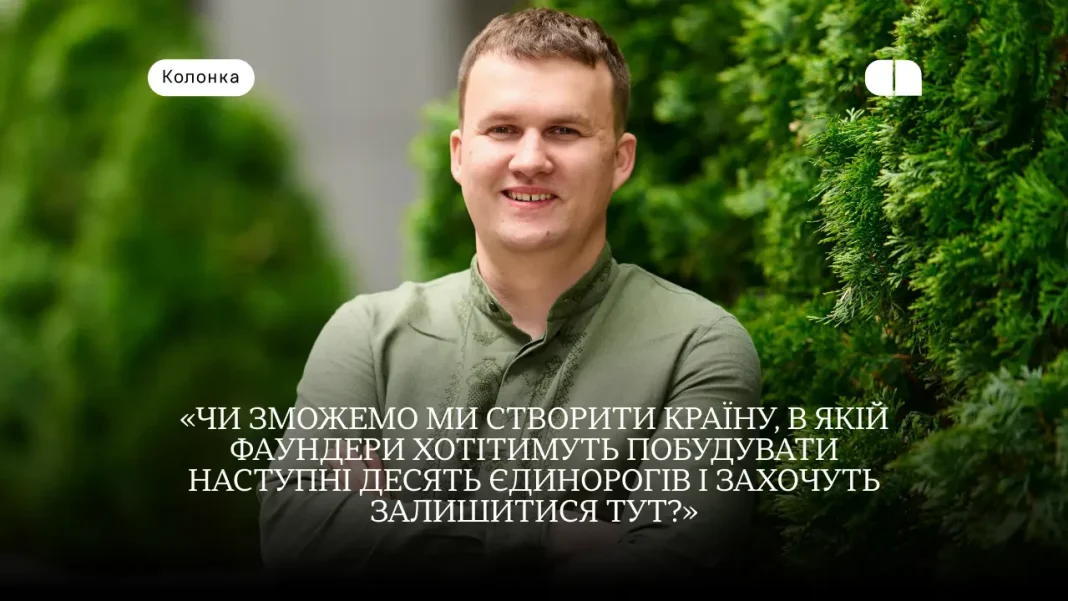
As a result of research conducted with the participation of EasyBusiness and Civitta for Ukraine’s Ministry of Digital Transformation and the Ukrainian Startup Fund, 74 recommendations and 22 priority initiatives have been identified. The key task is not only to create global companies but also to build conditions under which founders will be interested in staying and developing their businesses specifically in Ukraine.
| Problem | Brief Description |
|---|---|
| Definition of Startup | Absence of legislative framework for startups in Ukraine |
| Uneven Financing | Concentration of investment in DefenseTech, deficit for civilian startups |
| Fragmented Support | Disconnected operation of accelerators and incubators |
| Global Expansion | Insufficient integration of tools for international market entry |