
Russian refineries suffered large-scale attacks: diesel production reduction and export ban
Recent Ukrainian strikes on Russian oil refineries have led to a significant drop in diesel fuel production, forcing Russia to ban its export to meet domestic demand.
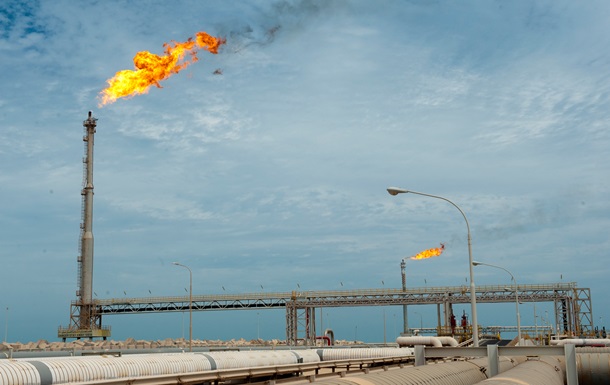
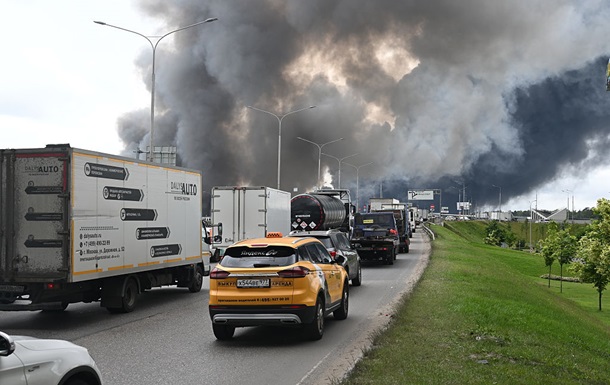
Over the past two months, all ten of Russia’s largest refineries have been attacked, causing significant stoppages and damage to installations. As a result, diesel fuel production has been reduced to the level of domestic consumption, which is a significant decrease, given that earlier it was produced 40% more than consumed, with the surplus exported. This situation may have long-lasting consequences both for the domestic market and international trade.
Gasoline production in Russia also decreased by 25% in June year-on-year due to damage to five refineries. The situation is expected to worsen in July due to the shutdown of the Nizhny Novgorodnefteorgsintez and Omsk refineries, the latter being the largest in Russia. With the reduction in diesel fuel production, the Russian government has been forced to introduce a ban on its export, marking the first such decision in 2023, following similar measures on gasoline and jet fuel.
Experts believe this step could affect global energy markets and cause price increases. Meanwhile, Russia’s former chief sanitary doctor, RAS academician Gennady Onischenko, noted that a gasoline shortage might have a positive impact on the environment and the health of Moscow’s residents.
| Period | Indicator | Decrease |
| June 2023 | Gasoline production | 25% |
| June 2023 | Diesel export | Ban |
This development raises concerns among Russia’s international partners, who rely on its energy resources. Continued attacks on infrastructure may further destabilize the energy market situation.