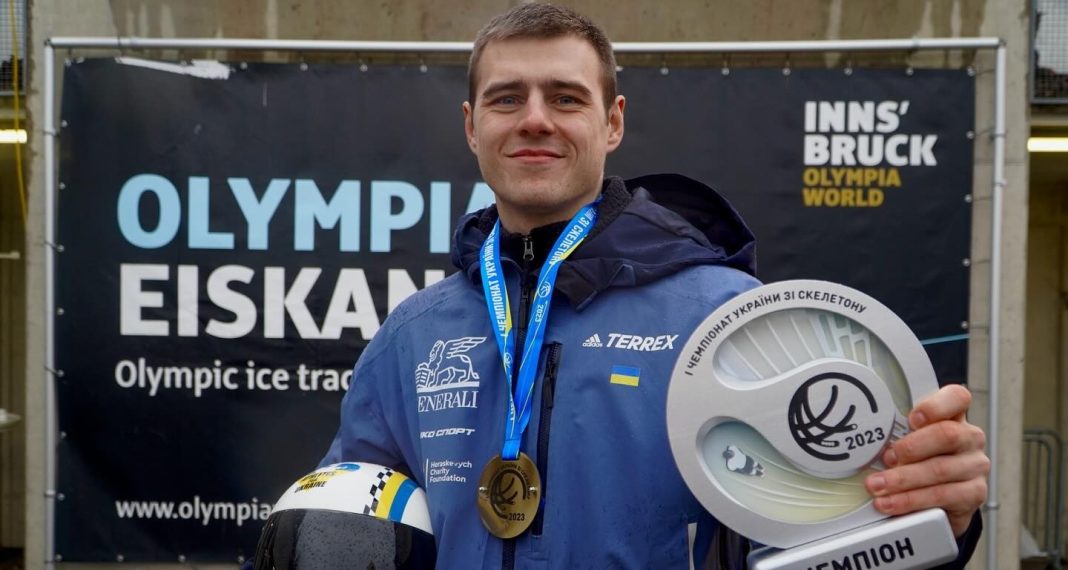

The IOC banned the use of the “memory helmet” by Ukrainian Vladyslav Heraskevych
The International Olympic Committee (IOC) has decided to prohibit Ukrainian athlete Vladyslav Heraskevych from using a “memory helmet” in skeleton competitions but allowed him to wear a black armband. This move has sparked discussions about political neutrality in sports arenas.
Vladyslav Heraskevych, known for his anti-war protests during the Beijing 2022 Olympic Games, trained in the winter season in Italy, using a helmet featuring images of Ukrainian athletes who were killed due to Russian aggression. The IOC pointed out that Olympic Charter rules prohibit the use of symbols that may carry a political message at sporting events. IOC spokesperson Mark Adams expressed understanding of the Ukrainian athlete’s position but noted that the helmet violates the rules.
Heraskevych expressed outrage over the IOC’s decision, emphasizing that he sees no violation of rule 50 in this. He believes the ban is unfair as the helmet is not political propaganda or discrimination. Despite this, the IOC allowed him to wear a black armband as a compromise.
The Ukrainian National Olympic Committee asked the IOC to permit Heraskevych to compete in the “memory helmet.” Ukrainian President Volodymyr Zelensky supported the athlete, thanking him for his efforts to remind the world of the tragedies of war.
| Event | Ban on Vladyslav Heraskevych’s “memory helmet” |
| Date | February 10 |
| Location | Italy |
| IOC Conclusion | Use of the black armband allowed |
| Heraskevych’s Reaction | Outraged by the decision’s unfairness |
| Zelensky’s Reaction | Support for the athlete’s efforts |