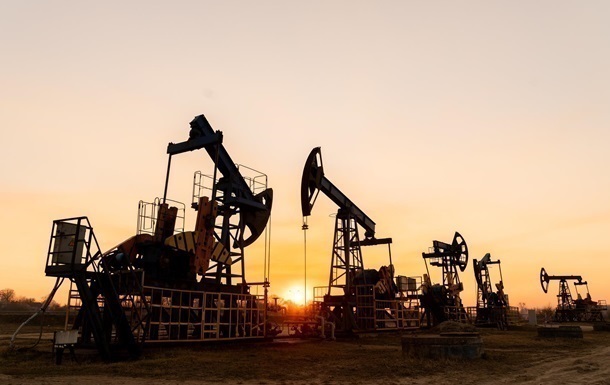

Weekly revenue from Russia’s oil exports fell to its lowest level since March 2023, amounting to $1.21 billion. This was a result of sanctions and the refusal of key importers such as India and China.
According to Argus and Kpler data, Russia’s earnings from oil exports have significantly declined due to western sanctions and record discounts. The price of Russian Urals oil fell to $36 per barrel, with discounts reaching $23. Despite Russia continuing to export about 3.29 million barrels per day, a significant portion of this oil ended up “stuck” in tankers at sea, without execution.
The situation is exacerbated by US sanctions targeting Rosneft and Lukoil, threatening supplies to India and China – countries that account for 90% of Russian oil exports. According to Kpler, Chinese and Indian refineries have significantly reduced their December purchases, with five major Indian companies completely refusing Russian oil.
The International Energy Agency noted that the sanctions could have “the most far-reaching consequences” for the global market and could lead to a significant decline in Russian production. Moreover, JPMorgan indicates that oil traders have difficulty selling oil “stuck” at sea, as its volume reaches approximately 1.4 million barrels per day, which accounts for a third of exports.
While European countries are trying to reduce their dependence on Russian energy, some states, such as Hungary, France, and Belgium, increased imports in 2025 compared to the previous year.
| Country | Change in imports compared to the previous year |
|---|---|
| Hungary | Increase |
| France | Increase |
| Belgium | Increase |
| Netherlands | Increase |
| Romania | Increase |
| Croatia | Increase |
| Portugal | Increase |