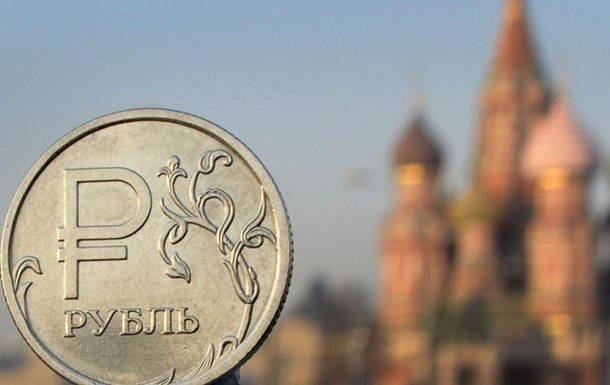

The ruble has entered one of the deepest declines of the past decade, losing a significant portion of its value in June. This underscores the serious economic challenges facing Russia.
In June, the Russian currency experienced the most significant drop in the last four years. The yuan to ruble rate increased by 10.8%, the largest growth since December 2022. Starting at 10.48 rubles per yuan at the beginning of the month, by the end of June, the rate had reached 11.62 rubles. At the same time, the dollar rose by 10.75%, from 70.86 to 78.69 rubles, and the euro climbed by 8.3%, to 89.8 rubles.
The CEO of “Ivolga Capital,” Andrey Khokhrin, noted that even the strict monetary policy of the Central Bank of the Russian Federation couldn’t save the ruble. Although the high key rate previously supported currency stability, its effectiveness has diminished. Analysts point to the sharp demand for currency at the end of June as the main factor fueling the decline. The need for fuel imports due to shortages and general market uncertainty have become key factors.
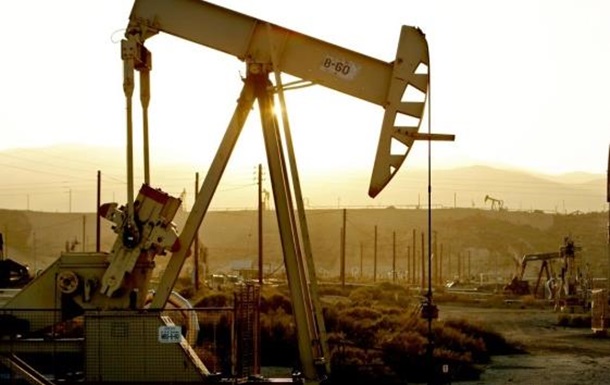
Experts also note that the pressure on the ruble intensified due to strikes on Russian refineries, queues at gas stations, falling stock and debt markets, and declining prices of Urals crude oil. These factors have caused the ruble to enter one of the largest monthly declines of the past decade, on par with the crisis periods of 2022, the beginning of the war against Ukraine, and the COVID-19 pandemic. Further ruble volatility is expected due to declining foreign currency revenues and rising import expenses.
Amid the economic downturn and rising cost of living, the total debt of the Russian population in loans and credits has reached a historic level of 45 trillion rubles.
| Currency | Start of June | End of June | % Change |
|---|---|---|---|
| Yuan | 10.48 | 11.62 | 10.8% |
| Dollar | 70.86 | 78.69 | 10.75% |
| Euro | – | 89.80 | 8.3% |