
Oil prices are falling amid progress in peace negotiations between the US and Iran
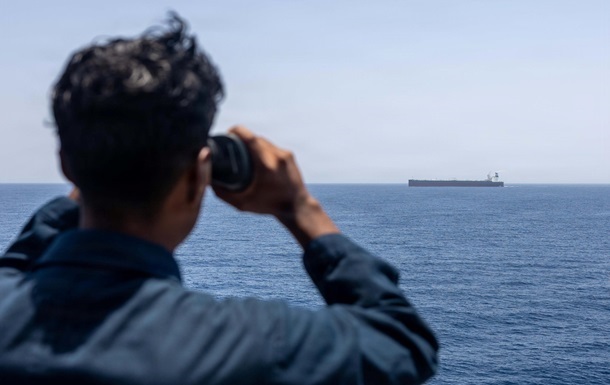
The flow of tankers through the Strait of Hormuz has significantly accelerated amid improving diplomatic relations between the US and Iran, leading to a sharp drop in oil prices.
Oil prices have fallen to their lowest levels since the COVID-19 pandemic. The active September contract for Brent crude is trading above $73 a barrel on Tuesday, but the nearest month’s futures price has lost almost a third over the quarter. WTI crude is trading below $71 a barrel. Simultaneously, August Brent futures fell 1% to $72.4 a barrel, almost $20, or 22%, lower than last month’s closing level.
Morgan Stanley has lowered its forecast for the next quarter, warning of the risk of market saturation. According to their estimates, a resumption of flows through the Strait of Hormuz to 65% of pre-war levels is sufficient to create a supply surplus. On Thursday, 35 oil and gas tankers passed through the strait from the Persian Gulf, bringing the figure back to pre-war levels.
Amid these economic changes, conflicting diplomatic maneuvers are taking place between the US and Iran. Washington declares readiness for talks in Doha, while Iran limits itself to sending only a delegation of experts without direct negotiations. A key point remains the control over the Strait of Hormuz, which is important for international shipping. Recent data suggests the signing of a memorandum to end the war and open the strait, which will form the basis for achieving a final ceasefire within 60 days.
| Indicator | Brent | WTI |
|---|---|---|
| Oil price (active contract) | $73 a barrel | below $71 a barrel |
| Price change (August futures) | -1% to $72.4 a barrel | |
| Decline over the past month | approximately $20 |