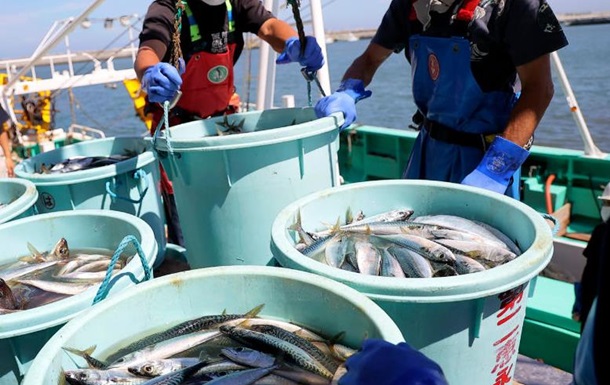

China has banned the import of Japanese seafood due to heightened tensions between the two countries.
China has implemented a complete ban on seafood imports from Japan, coinciding with tensions between the two countries over Japan’s political statements regarding Taiwan. This has led to diplomatic tension and a series of actions from both sides.
China explains its decision by the need for continued monitoring of the water releases from the Fukushima nuclear power plant. This coincided with comments by Japan’s new Prime Minister Sanae Takaichi, who stated that a Chinese attack on Taiwan could provoke a military response from Japan. Following these statements, Chinese diplomats expressed dissatisfaction with Beijing and even threatened the head of the Japanese government, demanding the retraction of her words. As a result, the Chinese authorities advised their citizens not to visit Japan, leading to the cancellation of many trips, while Japan, in turn, advised its citizens to avoid crowded places in China.
Amid these events, the Japanese government emphasized that Takaichi’s statements were consistent with Tokyo’s official position. The path to improving relations between the two countries is currently not in sight. Meanwhile, civil defense guides have been prepared for Taiwanese residents in case of escalating tensions.
| Country | Political Statements | Reaction |
|---|---|---|
| Japan | Threat of military response to Chinese attack on Taiwan | Diplomatic threats, cancellation of visits by Chinese tourists |
| China | Monitoring of water releases from Fukushima nuclear power plant | Complete ban on import of Japanese seafood |