
Bloomberg discovered that Russia is developing alternative information platforms to spread misinformation in order to influence search engines and artificial intelligence.
The Bloomberg investigation revealed that Moscow’s “Social Design Agency” (SDA) is coordinating efforts to fill the internet with manipulative content intended to infiltrate not only search engines but also large language models of artificial intelligence. The project is aimed at creating an online ecosystem to promote pro-Russian narratives. The implementation plan spans from May 2023 to April 2026.
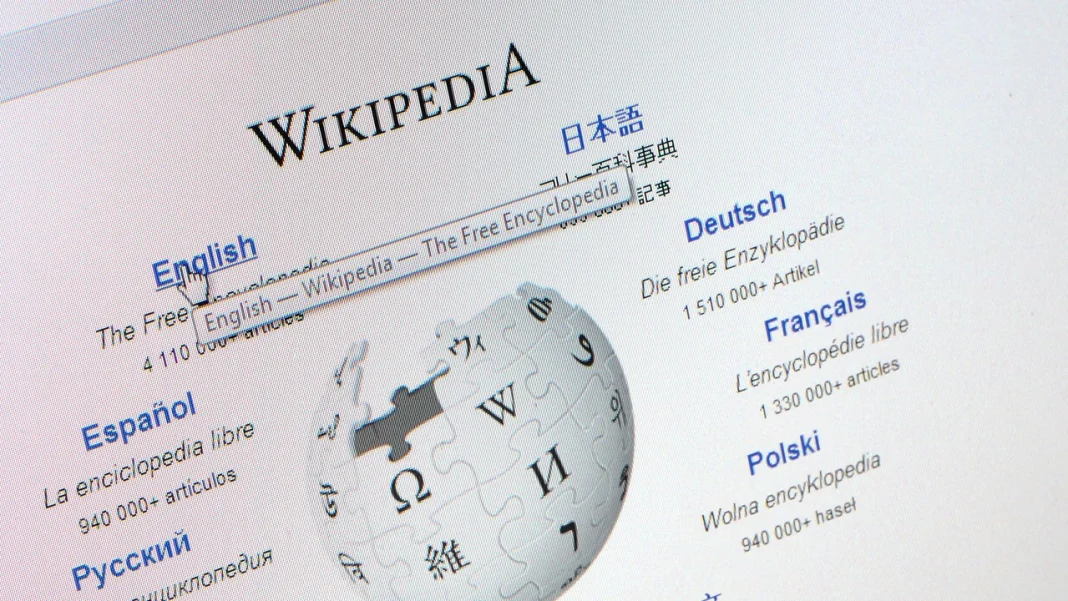
According to Bloomberg, the SDA, founded in 2002, seeks to control primary data sources to influence popular platforms. Among the agency’s actions: creating reference sites similar to Wikipedia with pro-Russian content, optimized for promotion in search queries. One project was a site for Armenia using a Wikipedia-like format, but hosting providers later blocked the resource.
Other SDA campaigns target Germany, where 200,000 web pages have been created. These materials are edited monthly to influence search results and artificial intelligence platforms. A total of 42 sites have been confirmed to exist, as mentioned in the agency’s documents.
Moreover, Russia spreads fake information through bogus think tanks. For example, the “World Center for Strategic Studies” website reprocesses publications from well-known outlets, adding accusations of a “crisis in Europe.”
The SDA also uses a monitoring system to assess the success of its operations. For instance, a fabricated story about Vladimir Zelensky’s purchase of apartments in Dubai received 86 million views in September 2025, according to internal reports. To promote such narratives in France, agents tracked social media and popular hashtags daily, and similar strategies were applied in the United Kingdom and Germany.
After Ukraine’s annexation to the EU Cybersecurity Reserve, the country received an additional opportunity to counter cyberattacks.
| Country | Number of Sites Created |
| Armenia | 3 |
| Germany | 200,000 |
| Total Number | 42 confirmed sites |