
Qatar conducts covert LNG shipments through the Strait of Hormuz
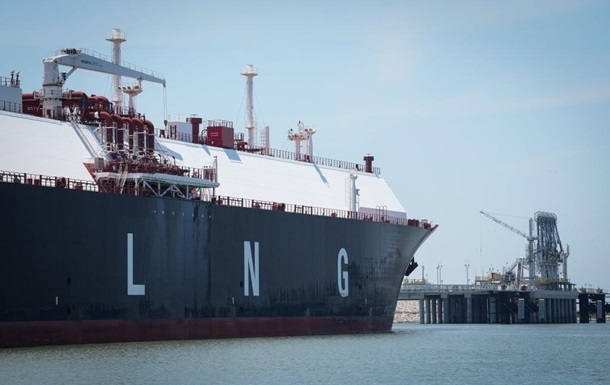
Qatar, one of the leading exporters of liquefied natural gas, uses what is known as a “shadow” fleet to transport shipments through the Strait of Hormuz to avoid risks associated with the conflict in the region.
According to Bloomberg, after the start of strikes on Iran at the end of February, Qatar’s export routes were threatened. One of the responses was the movement of vessels without activated tracking systems. Analysts note that this practice indicates an increase in shadow operations and an escalation of risks in maritime trade. It has been reported that in May at least four Qatari vessels managed to pass through the strait undetected in this way. According to Windward analyst Michelle Wiese Bockmann, such tactics could significantly change the dynamics of maritime transport.
Similar operations are also conducted by vessels of the company Adnoc from Abu Dhabi. Although transportation volumes remain below the pre-war levels, they partly satisfy the demand in countries like India and Bangladesh, which are forced to buy LNG at higher prices.
The background of the event is related to sanctions against the Russian Arctic LNG 2 project, which prompted Russia to create a parallel fleet for gas deliveries to China in 2023. Experts believe that producers in the Persian Gulf may continue to use similar practices as long as Iran controls the Strait of Hormuz.
The reduction in global oil reserves due to complicated supplies from the Persian Gulf has become another factor in the relevance of this situation, which could have far-reaching consequences for the global market.
| Country | Main LNG Buyers | Supply Method |
| Qatar | India, Bangladesh | Shadow fleet |
| UAE (Adnoc) | India, Bangladesh | Shadow fleet |
| Russia | China | Parallel fleet |