
Oil prices rose amid the worsening conflict in the Middle East.
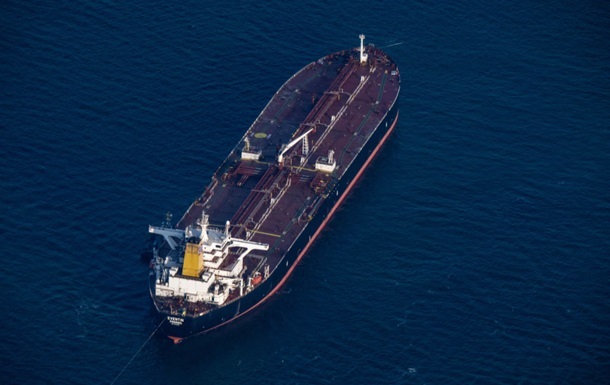
The escalation of the military conflict in the Strait of Hormuz area led to an increase in oil prices observed on June 8. This occurred amid new Israeli strikes on Lebanon and a series of explosions in Iran.
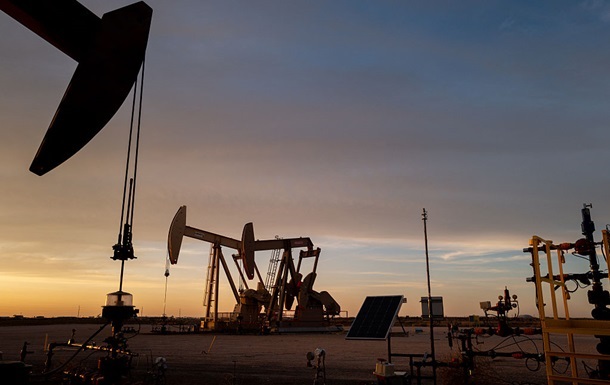
On Monday, Brent crude futures rose by $3.20, or 3.39%, to $96.24 per barrel. U.S. WTI crude prices jumped $2.87, or 3.17%, to $93.41 per barrel. Oil prices are rising for the second time as the conflict escalates, offsetting losses from last Friday, when hopes for de-escalation between the US and Iran caused prices to fall.
Local Iranian media reports that explosions were heard in the cities of Tehran, Tabriz, and Isfahan. The day before, Iran launched missiles at Israeli territory, prompting a reaction from U.S. President Donald Trump. He called on Israeli Prime Minister Benjamin Netanyahu to refrain from further attacks and emphasized the possibility of reaching a peace agreement.
Iran demands a ceasefire with Lebanon as a condition for reaching a peace deal with Washington. Against this backdrop, OPEC+ decided to increase oil production, but analysts doubt its effectiveness due to the complex situation in the Strait of Hormuz. Most OPEC+ countries are unable to reach planned production levels due to regional instability and attacks on oil infrastructure.
We remind you that Israeli strikes hit the southern suburbs of Beirut, where Hezbollah positions are located.