
The United Arab Emirates will expedite the construction of an oil pipeline to enhance exports
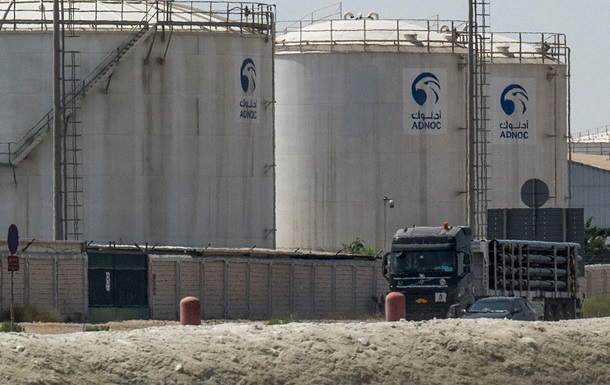
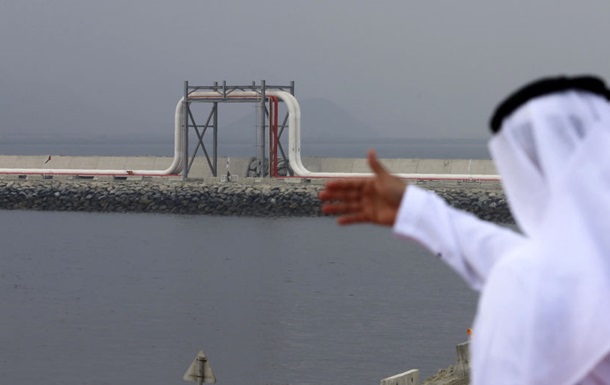
The UAE is accelerating the implementation of an oil pipeline project that will significantly increase export capabilities from the Gulf of Oman coast, reducing dependency on the Strait of Hormuz. It is expected that the new pipeline will commence operations in 2027.
Sheikh Khaled bin Mohamed bin Zayed, the Crown Prince of the emirate of Abu Dhabi, at the Executive Committee meeting of the Abu Dhabi National Oil Company (ADNOC), instructed to accelerate the construction of the West-East oil pipeline. This new infrastructure project is aimed at strengthening the country’s economic security through the diversification of supply routes.
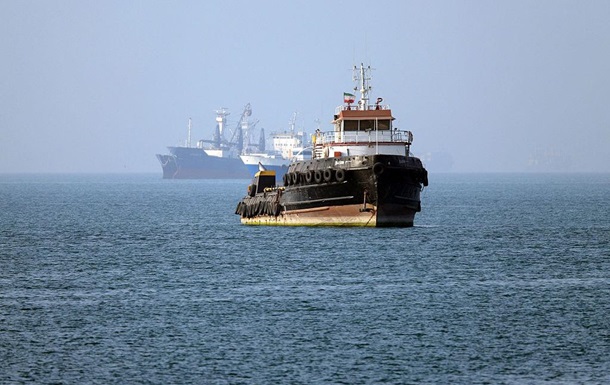
Currently, the existing Abu Dhabi Crude Oil Pipeline provides the transportation of up to 1.8 million barrels per day, bypassing the Strait of Hormuz. However, given the risks of blocking this strategic waterway, there is a need to extend exports through alternative routes. This decision will automatically affect the stability of global energy markets, where potential disruptions currently cause concern.
The UAE, along with Saudi Arabia, remains a leading oil supplier with access to infrastructure bypassing maritime routes. Meanwhile, countries such as Kuwait, Iraq, Qatar, and Bahrain are mostly dependent on transportation through the strait, which raises certain concerns in the region.
It is expected that new export opportunities will strengthen the UAE’s economic position internationally and reduce the influence of oil traders. Diversification of supply routes may reduce the region’s vulnerability to geopolitical fluctuations.
| Country | Dependency on the Strait of Hormuz |
|---|---|
| UAE | Decreasing |
| Saudi Arabia | Decreasing |
| Kuwait | High |
| Iraq | High |
| Qatar | High |
| Bahrain | High |