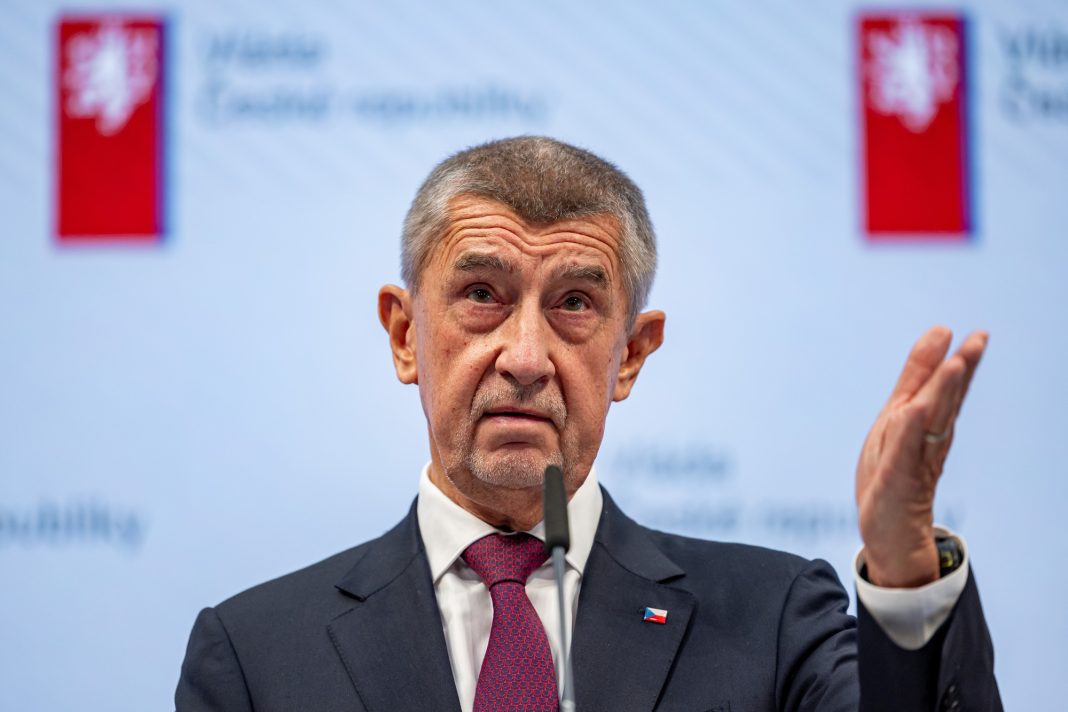

Andrej Babiš returned to the position of Prime Minister of the Czech Republic at the head of a right-wing coalition
A new government has been formed in the Czech Republic, headed by billionaire Andrej Babiš, who led the coalition after winning the parliamentary elections in October. Babiš will lead the coalition, which includes ANO, the far-right SPD, and the “Motorists” party.
71-year-old Andrej Babiš, returning to the position of Prime Minister after a four-year hiatus, formed a government comprising diverse political forces. Among them are the far-right SPD and “Motorists,” who oppose the European Union’s climate policy. At the inauguration ceremony, President of the Czech Republic Petr Pavel emphasized the importance of responsible governance and maintaining membership in NATO and the EU. Pavel stated that the country “would not be more secure without NATO membership” and “less economically prosperous without the EU.”
With his governance, Babiš may shift the country’s political course from pro-European to more conservative, cooperating with center-right parties in the European Parliament, such as Hungarian Prime Minister Viktor Orbán’s “Fidesz.” The new prime minister promises to protect Czech interests, criticizing the general policies of the EU, including migration policy and plans for environmental taxation. At the same time, he disagreed with his far-right partners on referendums on leaving the EU and NATO.
| Party | Political Orientation | Key Positions |
|---|---|---|
| ANO | Centrist Populist | Protection of national interests, economic stability |
| SPD | Far-right | Pro-Russian, anti-European |
| “Motorists” | Anti-environmental | Against the EU’s climate policy |
Babiš’s return to power may affect the geopolitical balance in Central and Eastern Europe, causing concern among leaders who support European integration. Experts believe that Babiš’s new government will face challenges in both domestic and foreign policies, including potential tension with Brussels and neighboring countries.