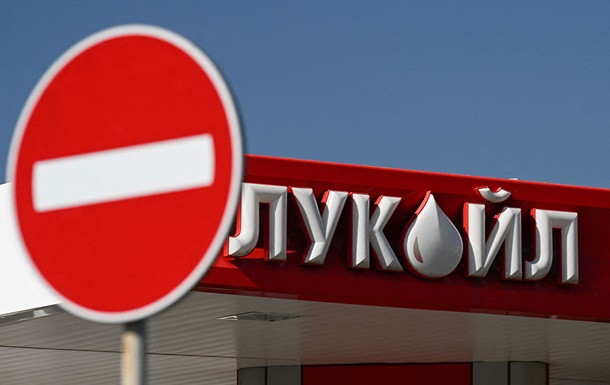

Fuel sales restrictions have been introduced at gas stations in St. Petersburg amid logistical problems in supply. This results from disruptions at the Kirishi and Yaroslavl refineries, which have been struggling to overcome difficulties in fuel delivery.
At many gas stations in St. Petersburg, no more than 50 liters of fuel can now be purchased per transaction. The main reason for this situation is said to be logistical difficulties that have affected fuel supply, especially the AI-95 grade. Sources report that due to changed supply routes, fuel has to be transported from more distant regions, increasing delivery times and costs.
Fuel production at the Kirishinefteorgsintez plant, one of the largest refineries in Russia, was affected by Ukrainian strikes. In May, the plant temporarily stopped the shipment of oil products due to damage caused by attacks, which persisted for a month.
Similar fuel supply problems are observed in Russia’s border regions and the occupied territories of Ukraine. In the Belgorod and Kursk regions, as well as in Crimea, local authorities have introduced restrictions on fuel sales to 20 liters. In the Luhansk region, restrictions apply to both petrol and diesel fuel.
In the spring, the Ukrainian armed forces intensified attacks on Russian oil infrastructure, leading to the largest disruptions in oil refining since 2009. The Russian government imposed a ban on the export of gasoline from March and aviation fuel from June, but these measures do not appear to have delivered significant results in overcoming the fuel shortage.