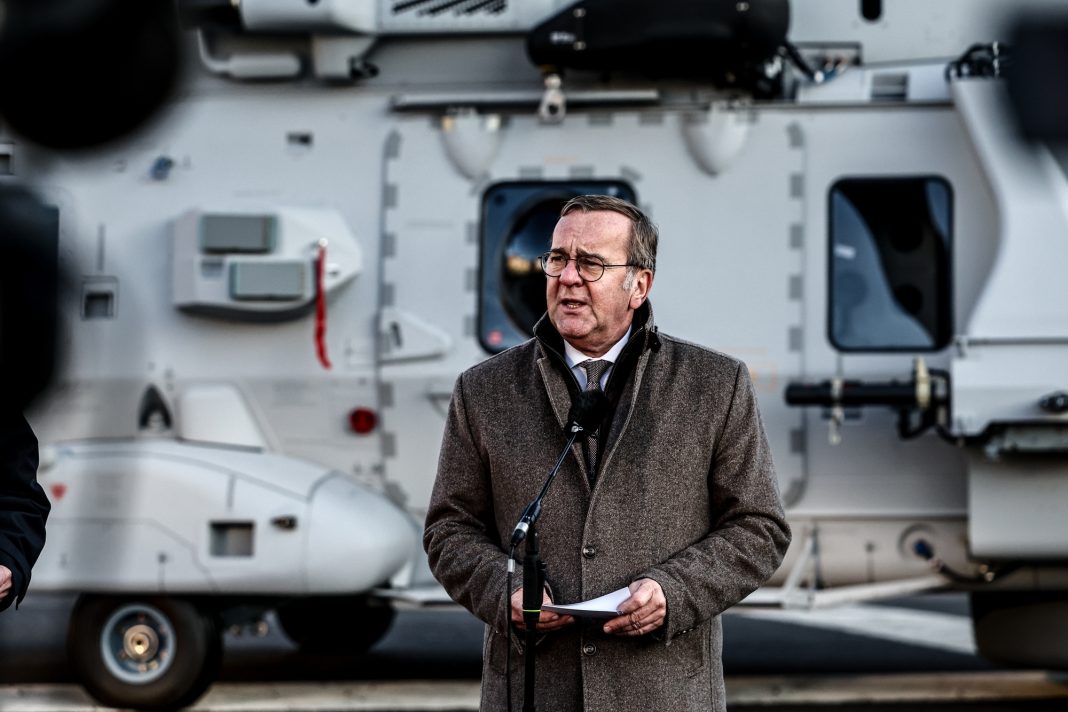

German Defense Minister Boris Pistorius stated that the possible involvement of German military personnel as part of multinational forces in Ukraine after the end of hostilities remains uncertain. Alongside this, Chancellor Friedrich Merz supports the establishment of European forces in collaboration with the USA.
Pistorius noted that the proposal for shared responsibility among European countries is fundamentally justified, yet there are still more questions than answers. The main ones concern the Bundestag’s mandate, command, and the parameters of the mission.
After talks in Berlin, Merz and other European leaders expressed readiness to support Ukrainian troops. The forces will need to secure Ukraine’s airspace and seas, possibly through operations within the country.
Discussions about forming such forces have been ongoing for some time. The USA expressed readiness to support the initiative, while France and the United Kingdom are calling for active measures, whereas Germany maintains a more cautious stance. Russia is categorically against the deployment of international forces on Ukrainian territory.
At the end of August, European Commission President Ursula von der Leyen announced that European capitals are developing a plan to ensure security for Ukraine, including the possibility of deploying foreign troops. In turn, this statement provoked criticism from German leadership.
| Country | Position |
|---|---|
| Germany | Cautious, requires clarity on mandate |
| USA | Ready to provide support |
| France | Active support for the initiative |
| United Kingdom | Calls for concrete actions |
| Russia | Strongly opposed |