
Iraq and Pakistan have signed an agreement with Iran for the supply of energy resources in response to global energy challenges.
Iraq and Pakistan have agreed with Iran to supply oil and liquefied natural gas, aiming to secure their own energy needs amid rising prices and supply disruptions. The agreements were made against the backdrop of U.S. sanctions blocking Iranian ports, impacting exports from the Persian Gulf.
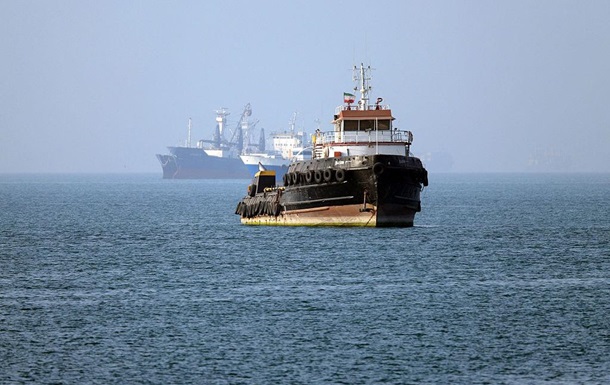
Iran initially considered halting transportation through the Strait of Hormuz, but it was later turned into a “controlled corridor.” This allowed Iraq to send its tankers with more than 4 million barrels of oil through the strait. For Pakistan, deliveries were organized using tankers loaded with Qatari liquefied natural gas.
Experts believe these agreements could significantly strengthen the resilience of Iraq and Pakistan’s economies, which heavily rely on importing energy resources. However, there was no direct financial interaction with Iran in the context of these agreements. Iraq and Pakistan avoid direct payments to Iran or its Islamic Revolutionary Guard Corps.
In the wake of such agreements, other countries are also evaluating the possibility of similar arrangements due to the global rise in energy costs, affecting the economies of many Asian countries.
| Country | Supplier | Type of Fuel | Quantity |
|---|---|---|---|
| Iraq | Iran | Oil | More than 4 million barrels |
| Pakistan | Qatar (via Iran) | Liquefied natural gas | Two tankers |