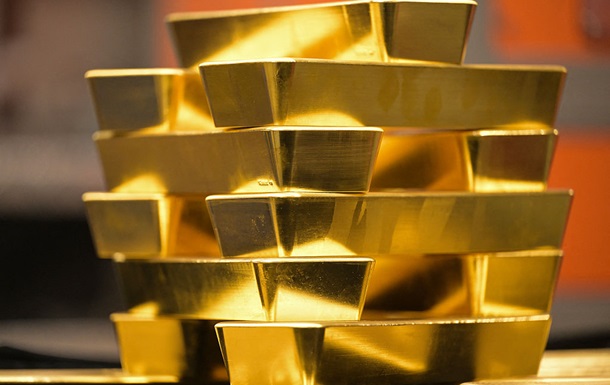

Russia’s central bank sold 18.66 tonnes of gold from its international reserves in the third quarter. This was the largest reduction in gold holdings among the world’s central banks during the period, The Moscow Times reports.
Overall, the world’s central banks purchased 321.2 tonnes of gold in the third quarter — 42% more than in the same quarter last year. The largest buyer was the People’s Bank of China, which increased its reserves by 63.14 tonnes.
Poland purchased 40.45 tonnes of gold during the quarter, Uzbekistan bought 14.45 tonnes, and Kazakhstan acquired 13.52 tonnes. Meanwhile, in addition to Russia, the central banks of Kyrgyzstan sold 0.95 tonnes, Germany 0.19 tonnes, Singapore 0.08 tonnes, and Mexico 0.02 tonnes.
Reduction in Russia’s holdings
The World Gold Council (WGC) noted that the reduction in Russia’s holdings by approximately 19 tonnes was the largest among all recorded gold sales during the quarter.
Russia’s central bank has been selling gold for the tenth consecutive month as part of mirroring the Russian Finance Ministry’s operations. The report notes that the Finance Ministry used the precious metal from the National Wealth Fund to cover the budget deficit, which reached 7.3 trillion rubles this year and has exceeded 22 trillion rubles since the start of the war.
According to the Bank of Russia, the country’s gold reserves declined by 2 million troy ounces, or approximately 62 tonnes, from December 2025 to September 2026. At the same time, the WGC recorded a reduction in holdings of 21.77 tonnes in the previous quarter alone.
Sales during the 1998 crisis and exports to China
Russia last sold gold at a faster pace during the 1998 financial crisis. At that time, amid a default on government bonds and the collapse of the ruble, the central bank sold 3.8 million troy ounces of gold — about 118 tonnes — over three months.
By the end of 1998, some of the gold had been repurchased, and Russia’s reserves decreased by approximately 50 tonnes over the year.
China became one of the main destinations for Russian gold exports. According to Chinese customs data, about 100 tonnes of Russian-origin gold arrived in Hong Kong from January through July — three times more than during the same period last year.
Over eight months, China imported more than 1,000 tonnes of gold — more than in all of 2025. As noted, lower international prices for the metal and the strengthening of the yuan contributed to increased purchases.