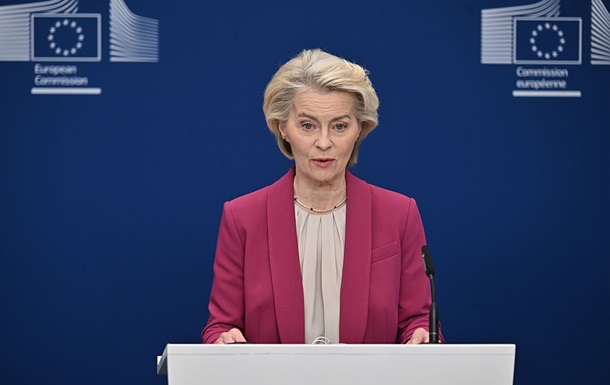

The closure of the Strait of Hormuz has cost Europe an additional €127 billion due to higher fossil fuel prices. European Commission President Ursula von der Leyen gave this estimate during a speech in Brussels on Tuesday, 3 November.
As rapporteur reports, von der Leyen said that the sharp rise in oil and gas prices following the start of the war with Iran demonstrated the importance of reducing the European Union’s dependence on fossil fuels.
“Since the closure of the Strait of Hormuz, fossil fuel imports have cost Europe an additional €127 billion, even though it has not received a single additional unit of energy. €127 billion — solely because of the closure of the Strait of Hormuz. When we import oil and gas, we also risk importing the price shocks and crises that accompany these supplies.”
Ursula von der Leyen, President of the European Commission
The importance of the Strait of Hormuz for energy supplies
At the end of February, approximately one-fifth of global seaborne shipments of oil and liquefied natural gas passed through the Strait of Hormuz. After the operation began, Tehran effectively blocked the strategic maritime route and began attacks on the energy infrastructure of neighbouring countries.
Von der Leyen’s statement came after a US strike on the Iranian island of Qeshm, located in the Strait of Hormuz. The attack took place on Monday evening. Washington described it as a “defensive measure” aimed at protecting US military facilities in the region.
Loss estimates and negotiations
Earlier, German Chancellor Friedrich Merz said that rising energy prices had already cost Europe more than €100 billion.
It was also reported that Iran had agreed to concessions regarding its nuclear programme, while the United States had agreed to consider unfreezing part of Iran’s frozen funds. With mediation by Qatar and Pakistan, the sides are discussing how to announce a temporary peace agreement.