
Russian metallurgy is experiencing a severe crisis due to sanctions and economic slowdown
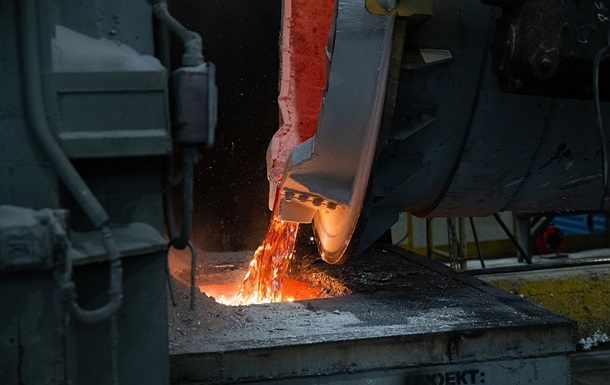
Steel production in Russia by the end of 2025 decreased to 67 million tons, which is the lowest figure in the last 15 years. Compared to the pre-war year 2021, production fell by 12%, or by 9 million tons. In the first quarter of 2026, the decline accelerated, and output decreased by another 10.4% – to 15.6 million tons, despite orders from the defense sector.
The situation in the industry was influenced by Western sanctions, economic slowdown, and high loan interest rates. The main export markets are effectively closed due to sanctions pressure, forcing a re-orientation of exports to Turkey, CIS countries, and China. However, the total export volume decreased by one-third from 2021 to 2024. As a result, the financial indicators of leading metallurgical companies have noticeably deteriorated. For instance, the Magnitogorsk Iron and Steel Works ended 2025 with a loss of 14.9 billion rubles, and Severstal’s profit fell fivefold.
Domestic steel consumption in Russian construction, engineering, and oil and gas sectors decreased by 14% throughout 2025, and in the first quarter of 2026 – by another 15%. The harsh market conditions have led to job cuts and increased credit burden on companies, placing the industry on the brink of “survival.”
Analysts predict that the crisis in Russian metallurgy could last for years, and the government lacks sufficient resources for large-scale support of the industry, which employs around 700,000 workers. At the same time, the Russian budget currently lacks resources for significant financial injections into metallurgy.
| Indicator | 2021 | 2025 | Q1 2026 |
|---|---|---|---|
| Steel Production | 76 million tons | 67 million tons | 15.6 million tons |
| Domestic Steel Consumption | – | -14% | -15% |
| Steel Export | – | -33% | – |
| Financial Indicators | – | Loss of 14.9 billion rubles | – |