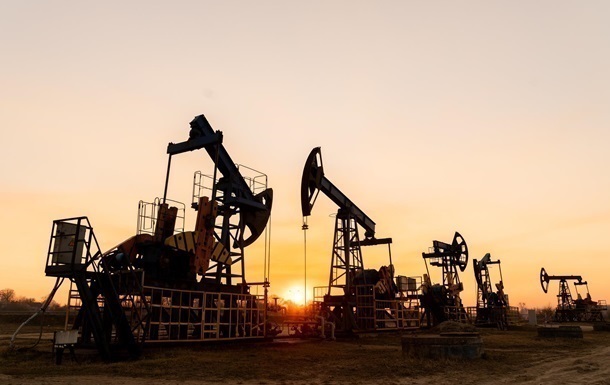

Global oil production remains at a low level, almost 13.6 million barrels per day less than before the conflict with Iran began, reports the International Energy Agency (IEA). Despite this, the agency forecasts a gradual improvement in the situation by 2027.
The IEA’s monthly report notes that global oil demand will decrease by 1.1 million barrels per day by 2026 due to a supply crisis in the Persian Gulf. However, starting from 2027, a recovery in demand of 2 million barrels is expected, with improving economic conditions and price stabilization.
The situation in the Persian Gulf remains complicated, with about one-fifth of world oil supplies still blocked. This has impacted global inventories, which decreased by 143 million barrels in May. In OECD countries, stocks have reached their lowest level since 1990.
However, recent progress in negotiations between the US and Iran, leading to a preliminary agreement to end the conflict, may accelerate the normalization of supplies. The official signing of the agreement is scheduled for June 19 in Switzerland. The IEA considers this agreement a significant breakthrough, emphasizing that full recovery will take time due to the need to clear key shipping routes.
Meanwhile, world oil prices have fallen to $80 per barrel, marking the largest drop since early March. US President Donald Trump announced that the country is considering the return of sanctions on Russian energy after stabilizing oil flows through the Strait of Hormuz.
| Indicator | Level |
|---|---|
| Oil production decline | 13.6 million barrels per day |
| 2026 forecast | -1.1 million barrels per day |
| OECD country stocks | -163 million barrels |
| Oil price | below $80 per barrel |