
U.S. President Donald Trump has suspended for 60 days the late Lindsey Graham’s law on sanctions against Russia and Iran. The United States will use this time to assess the potential consequences of the sanctions and tariffs, including for global energy supplies and the U.S. economy.
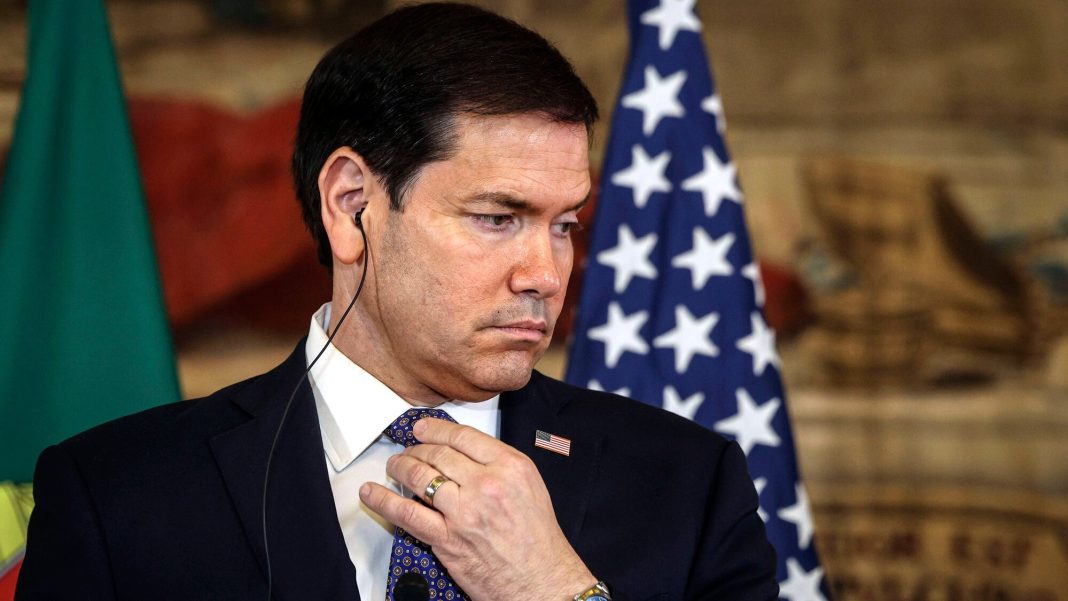
U.S. Secretary of State Marco Rubio said this while speaking with reporters, in remarks broadcast by the U.S. Department of State.
According to Rubio, the law concerned not only Russia. It also provided for tariffs on a number of other countries, including India, which the secretary of state described as an important U.S. partner.
Rubio noted that the possibility of exemptions had been included when the law was passed, as the situation required further study.
Assessing the impact on the energy market and the economy
The secretary of state linked the need for an assessment to pressure on global energy supplies. According to him, the situation is affected by the war against Iran, the blockade of the Strait of Hormuz, Houthi attacks on Saudi Arabia, as well as Russia’s war against Ukraine, including attacks on energy infrastructure.
Rubio said that, in his assessment, these circumstances affect global prices and must be taken into account before the restrictions stipulated by the law are introduced.
“So all of this needs to be taken into account and carefully weighed. […] I think the president wants to use this 60-day period [of suspending the Graham law] to analyze how imposing sanctions and tariffs will affect the global economy — and even the U.S. economy.”
Marco Rubio, U.S. Secretary of State
Trump suspended the law for 60 days rather than repealing it permanently. It was not specified exactly when this period began or what decision will be made after the assessment is completed.