

The new agreement between the United States, Denmark and Greenland, signed on September 22, provides for the possibility of establishing U.S. military bases on the island and introduces an investment screening mechanism. The document must be approved by the parliaments of Greenland and Denmark before it can take effect.
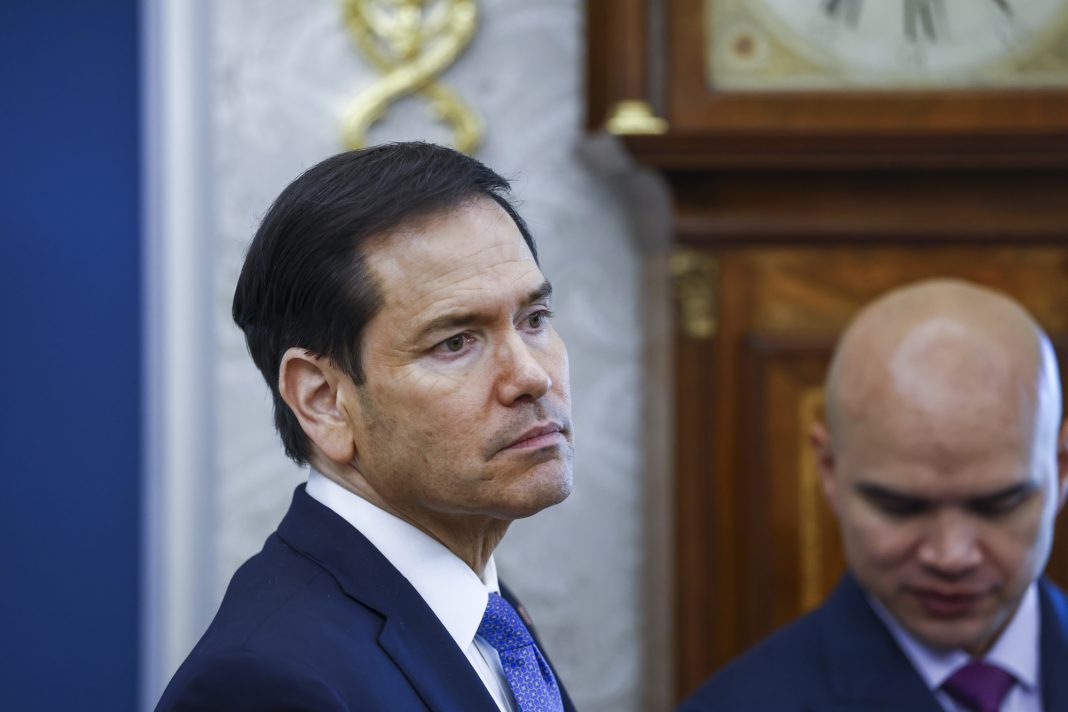
U.S. Secretary of State Marco Rubio outlined the arrangements in an interview with WABC Radio. He said the agreement is effectively open-ended and is intended to protect U.S. national security interests in the Arctic.
“We simply cannot afford to wake up one day in a world where China has its military bases there, Russia or anyone else. So this is extremely important to us. It is a very vulnerable place, because it is a huge piece of land with a small population and so on.”
Marco Rubio, U.S. Secretary of State
According to Rubio, the agreement allows the United States to establish as many military bases as necessary to protect the region. It also introduces investor screening: before investing in Greenland, companies will be vetted by the United States and Denmark, including for possible ties to China or other countries that are not NATO members and are considered adversaries.
“It is a great agreement, a phenomenal agreement. It never would have happened without the president making it a priority.”
Marco Rubio, U.S. Secretary of State
What the agreement provides for
According to Reuters, the document supplements the 1951 U.S.-Denmark agreement on the defense of Greenland. The agreement’s key provisions include:
- the United States may establish two new military bases and expand Pituffik Space Base, which is currently the only active U.S. base on the island;
- U.S. aircraft and vessels will have the right to fly over, land and operate underwater anywhere in Greenland, including in its territorial waters;
- the size of the U.S. military contingent and specific timeframes for implementing the provisions have not been defined;
- the agreement provides support for strengthening NATO’s presence in the Arctic, while Denmark commits to further enhancing its own security;
- in the event of Greenland’s independence, Denmark and Greenland must ensure that the new state remains in NATO by applying for membership if necessary;
- countries that are not NATO members are prohibited from maintaining a permanent military presence in Greenland;
- investors from countries that are not NATO members, NATO partners or members of the European Union are prohibited from gaining control of or significant influence over strategically important sectors of Greenland’s economy.
The agreement has no expiration date. It can only be amended by mutual consent of the parties.
The island’s strategic importance
Greenland is strategically important because of its location between North America and Europe. The island lies along routes in the North Atlantic and Arctic that are important for military logistics and defense. The United States also uses Greenland for military and space operations.
In January 2026, U.S. President Donald Trump said that the United States would acquire Greenland “one way or another” and also did not rule out the use of military force. On September 19, he said that the United States had reached an agreement with Denmark and Greenland to expand its military presence.