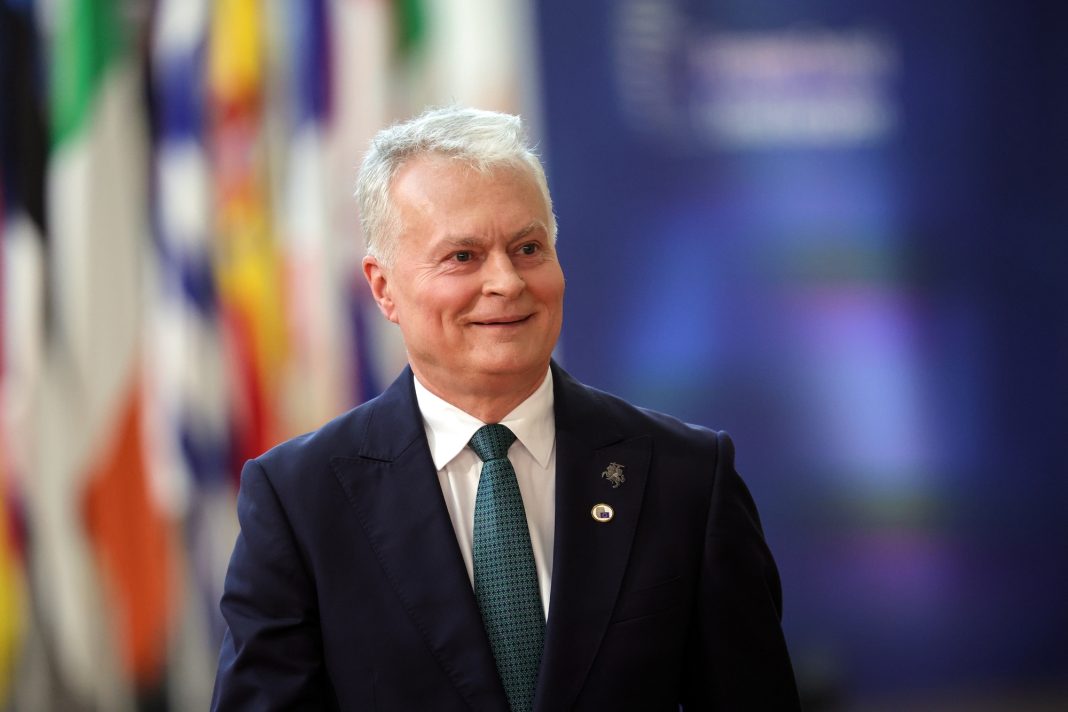

Lithuanian President Gitanas Nausėda criticized a new UN-related political map of the world that depicts temporarily occupied Crimea separately from Ukraine. He said that maps used by the United Nations must comply with international law and respect the sovereignty and territorial integrity of states.
Broadcaster LRT reported this, citing the office of the President of Lithuania. Nausėda raised the issue during a meeting of Baltic leaders with UN Secretary-General António Guterres in New York.
According to the Lithuanian president, cartographic materials must take into account internationally recognized state borders. Lithuania supports efforts to create a more accurate and fair representation of the world on maps, but the UN must consistently adhere to its policy of non-recognition of Russia’s occupation of Ukrainian territories.
Nausėda also said that Russia remains the main long-term threat to European and transatlantic security, and that this threat, he said, is not limited to Ukraine.
How Crimea Was Depicted on the Map
On the new map, Crimea is marked in gray, distinct from the colors used for Russia and Ukraine. The reasons for this designation and the legal or cartographic status it is intended to represent have not been specified.
Crimea has been under Russian occupation since 2014. The international community does not recognize Russia’s annexation of the peninsula. Disputes have previously arisen over maps, atlases, and digital services that depicted Crimea separately from Ukraine or incorrectly indicated its status.
Resolution on the Equal Earth Map
In September, the UN General Assembly approved a resolution calling for the use of the Equal Earth world map, which is intended to more accurately reflect the actual proportional areas of continents.
According to the report, on September 4, 2026, the resolution was supported by 164 countries. The United States voted against it, while six states abstained:
- Ukraine;
- Estonia;
- Georgia;
- Lithuania;
- Moldova;
- Serbia.
The report did not specify the reasons why these states abstained during the vote.