
Ukrainian and European officials are preparing a new package of sanctions against Russia ahead of the presidential election in France. According to The Telegraph, citing unnamed sources, they are also considering scenarios in which the far-right Marine Le Pen wins, potentially weakening support for Ukraine.
One of the publication’s sources said that February could be the last opportunity to adopt new restrictions before the French election, which the article dates to April.
“the last opportunity to impose sanctions”
EU officials also told the newspaper that after February, when the election campaign in France reaches its peak, agreeing on another sanctions package would be “a major achievement.”
Risks to sanctions and European integration
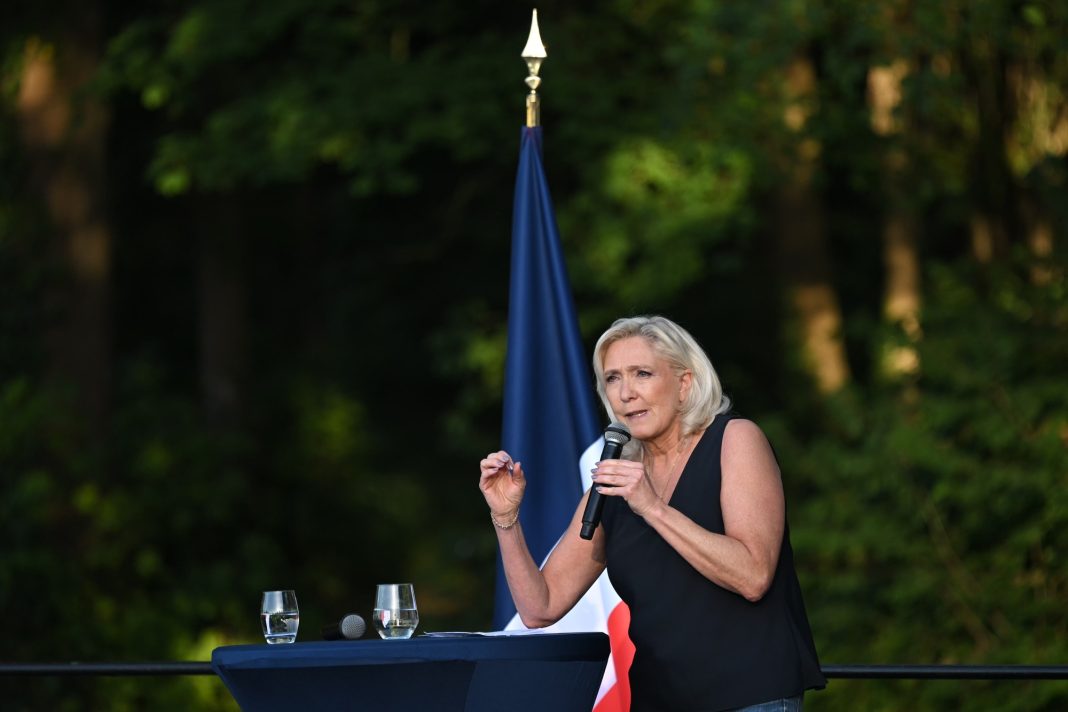
Marine Le Pen, described in the article as the frontrunner in the presidential race, supports lifting European sanctions against Russia and opposes Ukraine’s accession to the European Union. She has called it economic “hara-kiri,” or suicide.
According to The Telegraph’s sources, Le Pen’s rise to power could weaken European support for Ukraine, complicate or block the adoption of new sanctions against Russia, and slow Ukraine’s European integration. The article also notes that she may oppose Ukraine’s further progress toward EU membership.
Since the start of Russia’s full-scale invasion of Ukraine, the EU has imposed 22 packages of sanctions against the Kremlin. Each required the support of all 27 EU member states, effectively giving every country the ability to block new restrictions.
The latest sanctions package was approved on October 12. At the time, another 1,600 Russian individuals and legal entities were added to the sanctions list, bringing the total number of sanctioned individuals and entities to nearly 4,600.
Ukraine’s position and political context
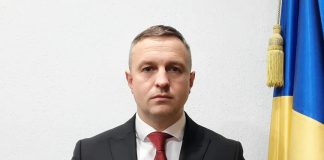
Deputy Prime Minister for European and Euro-Atlantic Integration Vsevolod Chentsov said that Ukraine is not asking for special conditions on its path to the EU, but is urging member states to take the current geopolitical situation into account.
“We are not asking for any shortcuts. But we are asking member states to understand and properly assess the geopolitical moment.”
Vsevolod Chentsov, Deputy Prime Minister for European and Euro-Atlantic Integration
According to Chentsov, the situation is unusual because a country that is only seeking EU membership can already share significant practical experience and strengthen the bloc.
Le Pen has run in France’s presidential elections three times. In 2012, she came third in the first round with 17.9%. In 2017, she advanced to the second round and lost to Emmanuel Macron, receiving 33.9% of the vote, while in 2022 she again advanced to the second round but was defeated.
National Rally President Bardella, who could become prime minister if Le Pen wins the 2027 election, has said that approaches to supporting Ukraine need to be reconsidered.